NUTRIFENA INGREDIENTS
SKU NTF-000115

Cocoa & Cacao Powder

Wholesale cocoa and cacao powder for bakeries, confectioneries, beverage producers and food manufacturers. The current priced option is documented Alkalized Cocoa Powder SC 800 in 25 kg bags.

Scanning our package?Discover recipes and ways to use Cocoa & Cacao Powder.Explore recipes
PriceAlkalized Cocoa Powder SC 800 · 25 kg$606.53 per package

$24.26 per kg

Total
$606.5325 kg · 1 package
Package size25 kgMinimum order25 kg · 1 packageSKUNTF-000011-25KG
Price subject to confirmationFinal pricing, availability, freight, duties, taxes and delivery terms are confirmed in the formal quotation.Exchange rate date: 2026-08-28
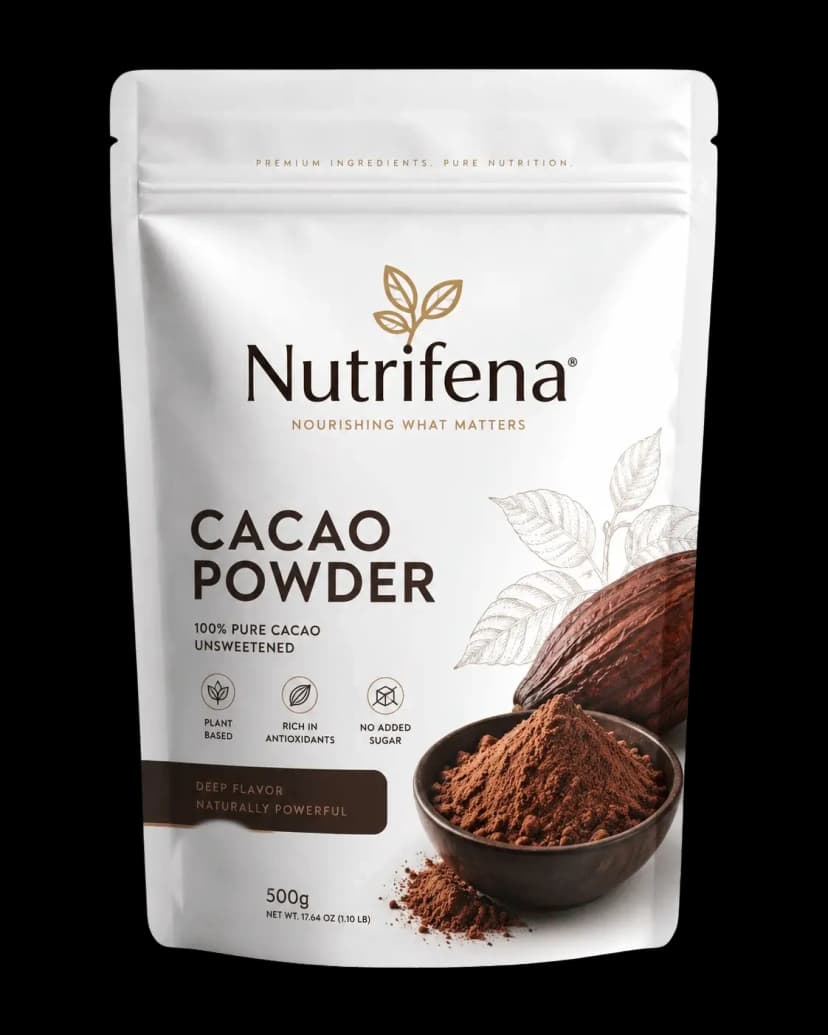
Nutrifena cacao powder packaging
Overview

Cocoa & Cacao Powder

Cocoa powder is used across food and beverage products to build characteristic chocolate flavour, aroma and colour. Cacao powder is also used as a market term, while the exact processing and grade must be confirmed by specification.

Contact us to discuss specifications, availability and suitability for your application.

Cocoa ingredient guide

What is cocoa?

Cocoa comes from the seeds of Theobroma cacao. After harvesting, the beans are typically fermented, dried and roasted before being ground into cocoa liquor. Pressing removes part of the cocoa butter; the remaining cocoa cake is milled into cocoa powder.

Cocoa powder and cacao powder are often used as overlapping market terms, but the name alone does not define a processing method or grade. Some brands use cacao for less-processed products; commercial buyers should instead confirm whether the exact SKU is natural or alkalized, along with its fat content, pH, particle size and supplier specification.

Cocoa powder gives food and beverage developers a concentrated way to build characteristic chocolate flavour, aroma and colour. Natural and alkalized cocoa behave differently in pH, colour, flavour and dispersibility, so the current Nutrifena specification should be confirmed before formulation.

Ingredient value

Cocoa benefits

Cocoa is valued both for its sensory character and for naturally occurring cocoa solids. Composition varies by origin, variety and processing, so product-specific nutritional or flavanol claims require a verified specification.

Distinctive flavour and aroma

Creates familiar cocoa and chocolate profiles across bakery, beverage, confectionery and dry-mix applications.

Naturally occurring compounds

Cocoa naturally contains polyphenols, including flavanols, but their level can change substantially during fermentation, roasting and alkalization.

Flexible product development

A dry, measurable format that can be incorporated into pilot batches and scaled for different manufacturing processes.

For manufacturers

Benefits of cocoa powder

Delivers cocoa flavour, aroma and colour without adding a liquid ingredient.

Works across beverages, bakery, confectionery, dry mixes, sauces and supplement concepts.

Supports repeatable weighing and dry blending during pilot and production runs.

Pairs with starches, carriers, hydrocolloids, acidulants, sweeteners and botanical powders.

Available to B2B buyers in commercial quantities, including the currently priced Alkalized Cocoa Powder SC 800 grade in 25 kg bags.

Pack options

Commercial cocoa powder packaging

The currently priced SC 800 grade is supplied in a documented 25 kg commercial bag. Other cocoa grades and formats require a separate specification and quotation.

Net weight (US)Metric equivalentCommercial configuration
55.1 lb25 kgMultiwall kraft-paper valve bag with inner plastic coating
B2B supply

Current priced grade: Alkalized Cocoa Powder SC 800.

The published commercial option uses a 25 kg bag and a 25 kg minimum order. Availability, price, freight, duties, taxes and lead time remain subject to confirmation in the formal quotation.

Request a cocoa quote
Product specifications

Choose cocoa powder by documented grade.

Cocoa powder specifications vary by product. Nutrifena confirms the selected grade and current supplier documentation before commercial approval.

Cocoa type

Confirm whether the required product is natural, alkalized, lecithinated or another supplier-defined cocoa grade.

Composition and performance

Fat content, pH, color, flavor profile, particle size and dispersibility must be taken from the current specification for the selected SKU.

Documentation

Request the product specification, ingredient statement, allergen statement, country-of-origin information and lot Certificate of Analysis.

Looking for a documented cocoa grade?

Alkalized Cocoa Powder SC 800 has a dedicated page based on the available technical specification.

View SC 800 specifications
Cocoa and cacao explained

Cocoa powder and cacao powder: what buyers need to know.

Cocoa powder and cacao powder commonly describe the same broad ingredient family in English-language searches. Neither word alone proves how the beans or powder were processed.

Both cocoa and cacao ultimately refer to ingredients from Theobroma cacao. In current consumer marketing, cacao is sometimes used for products presented as less processed or associated with raw positioning, while cocoa is often used for roasted or conventional powder. That usage is not consistent enough to function as a technical specification. Commercial buyers should ask for the exact product identity, process, composition and Certificate of Analysis instead of selecting a grade from the spelling alone.

Cocoa powder is made from the nonfat portion of cocoa beans after much of the cocoa butter has been removed from cocoa liquor or cocoa mass. The resulting press cake is broken and milled into powder. Its remaining cocoa-butter content, pH, color, flavor, fineness, moisture, microbiological criteria and treatment determine how the powder performs in a formula.

Natural cocoa powder and alkalized cocoa powder are two important commercial families. Natural powder retains the acidity and color profile of the supplier's untreated cocoa cake. Alkalized cocoa—also called Dutch-process cocoa—is treated with an alkalizing agent under controlled conditions to modify properties such as pH, color, flavor and dispersibility. Treatment intensity varies, so alkalized is not one universal grade.

The URL /products/cocoa intentionally serves both cocoa powder and cacao powder searches. The page does not imply that every cocoa SKU is interchangeable. Nutrifena's currently priced option is the documented Alkalized Cocoa Powder SC 800 in a 25 kg bag; natural, lecithinated, high-fat, low-fat and other grades require their own specification and quotation.

Botanical origin

Cocoa and cacao ingredients originate from Theobroma cacao seeds. Botanical origin does not determine the powder's later fermentation, roasting, pressing or alkalization history.

Cocoa liquor or mass

Finely ground cocoa nib material containing both cocoa solids and cocoa butter. Despite the word liquor, the term does not mean an alcoholic beverage.

Cocoa cake

The solid material remaining after part of the cocoa butter is pressed from cocoa liquor. Cake composition and treatment influence the powder produced from it.

Cocoa powder

Milled cocoa cake supplied to a defined grade. Cocoa-butter content, pH, color, flavor, particle size and treatment must be confirmed.

Cacao powder

A widely used market and search term that may overlap with cocoa powder. It does not independently establish raw, natural, organic or high-flavanol status.

Chocolate

A finished or intermediate composition that normally contains cocoa-derived material plus other ingredients. Cocoa powder by itself is not a complete chocolate formula.

How cocoa powder is made

From cacao pod to commercial cocoa powder.

Suppliers use different equipment and validated process conditions, but commercial cocoa powder production generally moves through the following stages. Every stage can influence flavor, color, composition and safety.

  1. 01

    Harvest ripe cacao pods

    Pods are harvested and opened so the cocoa beans and surrounding pulp can be removed. Variety, maturity, growing conditions and handling affect the raw material entering fermentation.

  2. 02

    Ferment the beans

    Beans and pulp are fermented under controlled or monitored conditions. Microbial and biochemical changes reduce pulp, alter acidity and create precursors that contribute to later cocoa and chocolate flavor development.

  3. 03

    Dry and stabilize

    Fermented beans are dried to a supplier-defined moisture target for storage and transport. Drying rate, weather exposure, smoke contamination, mold control and uniformity are important quality considerations.

  4. 04

    Clean and sort

    Processors remove foreign material and segregate beans according to approved quality criteria before thermal processing.

  5. 05

    Roast under validated conditions

    Time and temperature are selected to develop aroma and color and form part of the operation's microbial-control strategy. A roast description alone does not prove pathogen reduction.

  6. 06

    Crack and winnow

    Roasted beans are broken and the shell is separated from the cocoa nib. Shell removal and foreign-material controls affect purity and quality.

  7. 07

    Grind the nibs

    Cocoa nibs are ground into cocoa liquor or cocoa mass. Grinding releases cocoa butter and creates a pumpable or solidifying cocoa material containing both fat and nonfat cocoa solids.

  8. 08

    Alkalize when required

    For an alkalized grade, a supplier applies a permitted alkaline treatment at a controlled process stage. Alkali type, concentration, moisture, temperature and time influence pH, color, flavor and other properties.

  9. 09

    Press the cocoa liquor

    Mechanical pressing removes a controlled portion of cocoa butter, leaving cocoa cake. Press conditions and the starting liquor help determine residual fat in the cake.

  10. 10

    Break and mill the cake

    The cake is crushed and milled to the target powder fineness. Temperature and particle-size control affect flow, dispersion, mouthfeel and downstream handling.

  11. 11

    Standardize and test

    The lot is evaluated against the approved grade for applicable attributes such as pH, fat, moisture, color, flavor, particle size and microbiological criteria.

  12. 12

    Pack and release

    Approved powder is filled into the specified food-contact package, labeled, reviewed against batch and quality records, and released under defined storage and shelf-life conditions.

Selecting a cocoa grade

Why pH, fat, color and particle size matter.

The best cocoa or cacao powder is the grade that fits the finished formula, process and specification. Darker color or a higher price does not make one powder universally superior.

pH influences flavor perception, color and interaction with other formula components. Natural cocoa can contribute more noticeable acidity, while alkalized grades generally have a higher pH and a different flavor and color profile. In chemically leavened bakery products, changing cocoa type can alter the acid-base balance, so a one-for-one substitution should be validated rather than assumed.

Residual cocoa butter affects richness, mouthfeel, dusting, flow and cost. Codex distinguishes cocoa-powder categories by cocoa-butter content on a dry-matter basis, but a commercial RFQ still needs the exact supplier range and test method. A low-fat powder and a higher-fat powder can behave differently even when both are sold as cocoa.

Color names such as light brown, red, dark or black are not complete specifications. Instrumental color values, pH, alkalization conditions and the finished matrix all influence appearance. The powder should be compared in the actual formula at the intended dose and process because sugar, dairy, starch, water, heat and package conditions can shift the final result.

Cocoa particles do not simply dissolve like sugar. Beverage performance depends on wetting, dispersion, suspension, particle size, fat, lecithination, mixing, temperature, viscosity and the rest of the formula. A powder described as dispersible still requires application testing and may need a stabilizer system or process adjustment.

Natural or alkalized

State the required treatment and target pH. Do not infer treatment from cocoa versus cacao wording or from color alone.

Cocoa-butter content

Confirm the specification range and dry-matter basis because residual fat affects sensory character, handling and product positioning.

pH

Use the supplier's current method and range. pH affects flavor, color and compatibility with leavening, dairy, proteins and other ingredients.

Color

Define a visual or instrumental target in the finished product. Supplier color names are useful only when linked to an approved grade or reference.

Flavor profile

Describe acidity, bitterness, astringency, roast, chocolate intensity and off-note limits using an approved sensory reference.

Particle size

Fineness can affect mouthfeel, dust, flow, dispersion and sediment. Confirm the test method rather than comparing mesh claims without context.

Moisture and water activity

These are different measurements. Use the applicable product specification and storage controls; neither alone proves microbiological safety.

Lecithination

A lecithinated powder is a separate grade intended to improve wetting or dispersion. Confirm lecithin source, allergen implications, dosage and application.

Flavanol content

Regular cocoa powder should not be assumed to be high-flavanol. Any quantitative or health-related statement needs product-specific analytical and regulatory support.

Cocoa ingredient comparison

Cocoa powder, cacao powder, cocoa mass and cocoa butter are not interchangeable.

These ingredients come from the same crop but have different composition and formulation roles. Purchasing should use a precise product name and approved specification.

Ingredient or gradeWhat it isKey sourcing questions
Natural cocoa powderMilled cocoa cake without the alkalizing treatment used to create Dutch-process grades. It has a supplier-specific pH, color, flavor, fat and particle profile.Origin, bean blend, roast, residual fat, pH, color, particle size, microbiology, package and application.
Alkalized cocoa powderCocoa material treated with an alkalizing agent under controlled conditions to modify pH, color, flavor and other properties.Alkali treatment, target pH, color, flavor, fat, fineness, dispersibility, ingredient declaration and destination-market suitability.
Cacao powderA broad market term often overlapping with cocoa powder. Some sellers use it for less-processed positioning, but the name does not define a standardized process.Is it roasted, alkalized, natural, organic, high-flavanol or raw-positioned—and which documents support each statement?
Lecithinated cocoa powderA cocoa powder grade containing lecithin or treated for improved wetting and dispersion in selected applications.Lecithin source and amount, allergen statement, instantization performance, pH, fat, color, package and finished-label declaration.
Cocoa liquor or cocoa massGround cocoa nib material containing cocoa solids and naturally present cocoa butter before pressing into powder and separated butter streams.Fat, fineness, roast, flavor, microbiology, blocks or liquid handling, storage and chocolate-process compatibility.
Cocoa cakeThe solid press cake produced after removing part of the cocoa butter from cocoa liquor.Residual fat, treatment, form, intended milling or industrial use, package, storage and whether the buyer requires cake or finished powder.
Cocoa butterThe fat fraction separated from cocoa material, supplied in natural or deodorized and other documented grades.Flavor, deodorization, free fatty acids, solid-fat behavior, melting profile, package, storage and confectionery requirements.
Sweetened cocoa or drinking chocolateA formulated dry mixture containing cocoa powder and sugar or other permitted ingredients; it is not single-ingredient cocoa powder.Cocoa percentage, cocoa grade, sweetener system, nutrition, allergens, serving directions, flow, package and finished-food labeling.
Cocoa flavorA concentrated flavor preparation used to create or reinforce cocoa character and not necessarily a source of cocoa solids, fat or color.Natural or artificial classification, carrier, solubility, use level, cocoa-derived content, process stability and ingredient declaration.
Commercial applications

How cocoa and cacao powder behave in finished products.

Application testing should use the exact powder grade, full formula, production process and commercial package.

Chocolate beverages

Evaluate wetting, dispersion, suspension, sediment, ring formation, flavor, sweetness, viscosity, heat process and package. Cocoa particles may require a complete stabilizer and process strategy.

Bakery

Coordinate cocoa pH with the leavening system and test batter viscosity, spread, rise, crumb color, flavor and moisture after the real bake and cooling cycle.

Cakes and cookies

Residual fat, particle size, alkalization and dose influence color, bitterness, spread and texture. Natural and Dutch-process powders should not be swapped without trials.

Chocolate and confectionery

Distinguish powder from cocoa liquor and cocoa butter. Fat phase, particle refinement, viscosity, tempering and legal product identity determine the correct ingredient system.

Dairy and plant-based products

Protein, fat, minerals, homogenization and thermal processing can change cocoa flavor and physical stability. Evaluate the full system through refrigerated or ambient shelf life.

Ice cream and frozen desserts

Judge flavor at serving temperature because cold suppresses aroma and sweetness. Review fat, overrun, stabilizers, color and cocoa-particle perception.

Protein and supplement powders

Proteins, minerals, botanicals and high-intensity sweeteners can increase bitterness or astringency. Validate flavor masking, flow, blend uniformity and reconstitution.

Dry beverage mixes

Control segregation, dust, moisture, flow and serving uniformity. Lecithinated cocoa or an appropriate agglomeration strategy may improve wetting but still needs testing.

Sauces, syrups and fillings

Assess viscosity, hydration order, cook conditions, fat phase, sweetness, color and storage stability in the commercial package.

Breakfast and snack products

Cocoa oatmeal, cocoa yogurt, cocoa rice crisps and cocoa quinoa crisps require different powder doses and process controls. Test bitterness, hydration, crispness, coating pickup and color in the actual matrix.

Tea, coffee and cacao drinks

Cacao tea is commonly made from roasted shells, while cocoa for tea, cacao drinks and cacao coffee concepts may use powder or another cocoa-derived ingredient. Specify the intended format because shells, powder and flavor systems are not equivalent.

Savory foods

Cocoa in chili, sauces and spice blends can add roasted, bitter and dark notes without making the product taste like a sweet chocolate drink. Start at a low dose and validate salt, acid, heat and flavor balance.

Dusting and truffles

Cocoa-dusted truffles need a powder selected for flavor, color, dust control, fat pickup and shelf appearance. Unsweetened cocoa powder can taste intense when used directly on a finished confection.

Everyday cocoa questions

Unsweetened cocoa, substitutes, storage and common uses.

High-volume cocoa searches often combine an ingredient question with a recipe or household use. The principles below explain the ingredient without treating every powder or finished food as identical.

What is unsweetened cocoa powder?

Unsweetened cocoa powder is cocoa powder without sugar added to that ingredient. It may be natural or alkalized and can still contain residual cocoa butter. “Unsweetened” does not mean that a finished recipe is sugar-free, low-calorie or suitable for a particular diet.

Cocoa powder substitute

There is no universal one-for-one cocoa substitute. Carob powder is sometimes tested for color and roasted flavor, while chocolate, cocoa mass or a cocoa flavor changes fat, sugar, solids and processing. Rebalance the full formula and validate the label.

Can cocoa powder expire?

Use the manufacturer’s best-by or shelf-life statement for the unopened package. After opening, protect cocoa powder from moisture, heat, pests and strong odors. Reject material with damaged packaging, infestation, mold, an abnormal odor or suspected rancidity; a date alone cannot determine safety.

100% cacao and 100% cocoa

On a single-ingredient powder, these phrases generally communicate that the product is cocoa-derived without a sweetener blend. They do not by themselves define fat level, roasting, alkalization, flavanols, organic status or microbiological criteria.

Cocoa color

Cocoa color can range from light brown through reddish brown to very dark tones depending on origin and processing. A color name is not a standardized grade; buyers should approve a sample or instrumental target in the finished application.

Cocoa water and cacao fruit drinks

Cacao fruit pulp or juice products are made from the pulp surrounding the seeds, not from cocoa powder. Cocoa water and cacao water are market terms that can describe different beverages, so the ingredient statement and process need to be checked.

Cacao nibs nutrition

Nibs are pieces of the cocoa seed and retain cocoa solids and cocoa butter. Nutrition varies by product and serving. Use the supplier’s current nutrition data rather than transferring values from nibs, powder, cocoa mass or chocolate.

Cocoa shells and husk tea

Shells are separated during winnowing and are not the same as nibs or powder. A cacao husk tea program needs a food-grade shell specification, contaminant and microbiological controls, legal review and a process designed for the intended market.

Nutrition, dietary claims and safety

What cocoa powder can—and cannot—prove by itself.

Cocoa benefits, dietary claims and safety questions require product-specific evidence. A generic search phrase is not enough to qualify a lot, a finished food or a health statement.

Cacao powder benefits

Cocoa ingredients contain nutrients and bioactive compounds in amounts that vary with the bean and process. FDA’s qualified cardiovascular claim is limited to qualifying high-flavanol cocoa powder; it does not apply automatically to regular cocoa powder, cacao powder or chocolate.

Is cacao powder good for you?

That depends on the exact powder, serving, total diet and any ingredients added to the finished food. Review the product’s nutrition information and avoid treating cocoa as a substitute for individualized medical or dietary advice.

Is cocoa powder gluten-free?

Cocoa is not a gluten-containing grain, but a “gluten-free” claim on a packaged product must meet destination-market rules and account for ingredients, processing and cross-contact. Obtain current product and facility evidence.

Is cocoa butter dairy-free or vegan?

Cocoa butter is the plant-derived fat from cocoa beans and is not dairy butter. A finished product may still contain milk or other animal-derived ingredients, or have cross-contact concerns, so dairy-free and vegan claims must be verified for the complete product.

Cocoa and dogs

Cocoa powder and high-cacao chocolate contain concentrated methylxanthines and can be dangerous to dogs. Cocoa shells can also create exposure risk. If a pet may have eaten cocoa, contact a veterinarian or animal poison-control service promptly rather than calculating a safe amount online.

Organic and other certifications

Cacao, natural cocoa and minimally processed positioning do not prove organic status. Organic, non-GMO, fair-trade, sustainability and origin claims require current evidence for the exact product and supply chain.

Quality and procurement

What to request before purchasing cocoa powder.

The commercial name identifies a family; controlled supplier and lot documents identify the product that can be approved and reordered.

Approved specification

Confirm exact product name, treatment, fat, pH, moisture, color, flavor, fineness, microbiological criteria, package, storage and shelf life.

Certificate of Analysis

Review applicable lot results against the approved specification. A COA for one cocoa grade does not qualify another similarly named product.

Ingredient statement

Confirm cocoa identity and any alkalizing agent, lecithin or other declared component relevant to the commercial grade and destination.

Food-safety controls

Qualify the supplier's validated controls and relevant microbiological criteria. Roasting or a low-moisture powder should not be assumed pathogen-free.

Contaminants

Define applicable heavy-metal, pesticide, mycotoxin or other contaminant requirements based on origin, intended use, customer standard and destination market.

Allergen information

Cocoa itself does not answer cross-contact questions. Obtain the current supplier allergen statement and review the receiving and manufacturing environment.

Origin and traceability

Record manufacturer, plant, country, bean origin where specified, lot, processing route and change-control obligations.

Package and storage

Confirm food-contact liner, bag construction, net weight, pallet, humidity protection, odor control, storage temperature and opened-bag handling.

Claims and certifications

Organic, non-GMO, gluten-free, high-flavanol, sustainability and other claims require current product-specific evidence and finished-label review.

Application approval

Retain a production-relevant sensory and performance reference so new lots or proposed substitutions can be compared consistently.

RFQ details

Provide natural or alkalized grade, application, target pH and color, fat range, annual volume, package, destination and required documentation.

Change control

Require review before changes to origin, manufacturer, facility, alkalization, fat range, ingredient statement, package or specification.

Cocoa and cacao questions

Cocoa powder FAQ

What is the difference between cocoa and cacao?

Both terms refer to ingredients derived from Theobroma cacao. Market usage sometimes associates cacao with less-processed positioning, but the words do not reliably define roasting, alkalization, fat, flavanols or grade. Buyers should use the specification and Certificate of Analysis.

Is cacao the same as chocolate?

No. Cacao is the crop and a broad name for ingredients derived from it. Chocolate is a formulated product or intermediate that commonly combines cocoa-derived material with other ingredients.

What is the difference between cocoa powder and cacao powder?

The terms often overlap. A supplier may use cacao powder for a particular process or positioning, but neither name alone defines the technical product. Compare treatment, fat, pH, color, flavor, fineness and documentation.

What is unsweetened cocoa powder?

It is cocoa powder without sugar added to the powder. It may be natural or alkalized and retains a specified amount of cocoa butter; unsweetened is not the same as fat-free or a sugar-free finished recipe.

Can cocoa powder expire?

Follow the supplier’s stated shelf life and storage instructions. Package damage, moisture, pests, mold, abnormal odor or rancidity are reasons to reject material; the printed date is not the only acceptance criterion.

What can replace cocoa powder?

No substitute is universal. Carob, chocolate, cocoa mass and flavor systems change solids, fat, sugar, flavor and labeling differently, so the complete formula must be rebalanced and tested.

Is cocoa powder gluten-free?

Cocoa is not a gluten-containing grain, but a packaged-food gluten-free claim requires compliant testing, sourcing and cross-contact controls for the exact product and facility.

Is cocoa butter dairy?

No. Cocoa butter is the plant fat pressed from cocoa beans. Finished foods containing cocoa butter may still include dairy ingredients or face cross-contact, so check the full label and supplier statement.

Is cocoa butter vegan?

Cocoa butter itself is plant-derived. Vegan status for a finished product depends on every ingredient, processing aid and the applicable claim standard.

Are cacao nibs the same as cocoa powder?

No. Nibs are pieces of the cocoa seed and retain both cocoa solids and cocoa butter. Powder is produced after grinding, pressing out part of the butter, and milling the resulting cake.

Is cacao a fruit?

Theobroma cacao produces a fruit commonly called a cacao pod. The seeds inside are fermented and processed into nibs, cocoa mass, cocoa butter and cocoa powder; the surrounding pulp can be used in separate fruit products.

Can dogs eat cocoa powder?

No. Cocoa powder can contain high concentrations of methylxanthines that are dangerous to dogs. Suspected ingestion warrants prompt advice from a veterinarian or animal poison-control service.

What information should a cocoa powder supplier provide?

Request the exact grade, natural or alkalized status, fat, pH, color, particle size, moisture, microbiological criteria, ingredient and allergen statements, packaging, shelf life, origin, COA and required certifications.

Does Nutrifena sell cocoa and cacao powder?

Yes. Nutrifena’s currently priced, documented option is Alkalized Cocoa Powder SC 800 in a 25 kg bag. Other natural, alkalized, lecithinated or supplier-defined grades require availability and specification confirmation.

Commercial uses

Cocoa powder applications

01Beverages
02Bakery
03Confectionery
04Dry mixes
05Sauces
06Supplements
Starting points for R&D

Three cocoa powder pilot recipes

Each example is a 2.2 lb (1kg) dry pilot formulation created for commercial product development. These are starting points, not finished product specifications; validate processing, stability, sensory performance, nutrition, allergens and regulatory compliance before production.

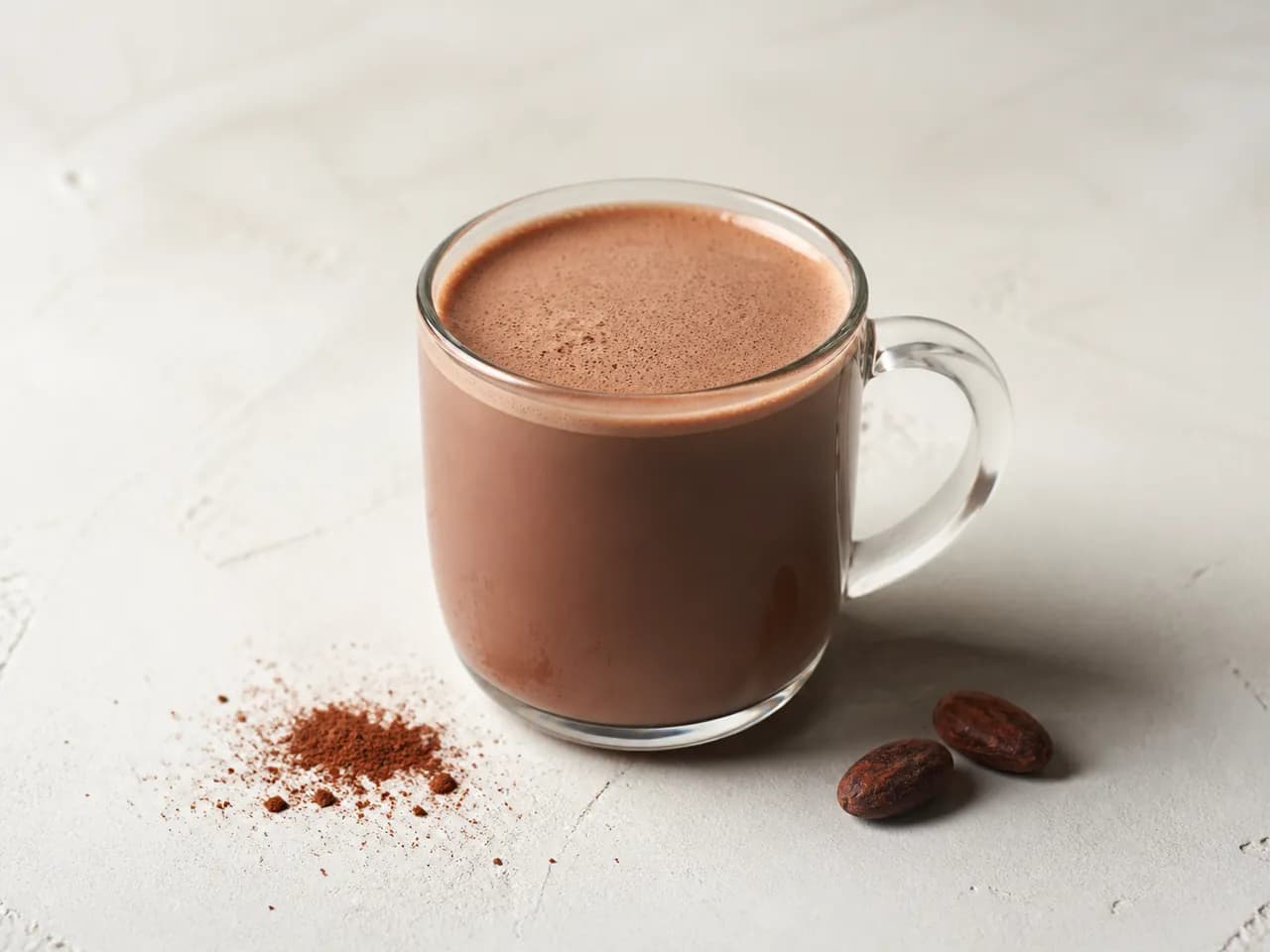
Finished instant cocoa beverage served in a clear glass mug
01

Instant cocoa beverage premix

Beverages · Dairy beverages · Vending and food service

Sugar19.75 oz (560g)

Nutrifena Cocoa7.05 oz (200g)

Nutrifena Corn Maltodextrin8.04 oz (228g)

Salt0.35 oz (10g)

Nutrifena Xanthan Gum0.07 oz (2g)

Pilot method

Pre-blend the salt and xanthan gum with part of the sugar. Add the remaining dry ingredients and blend until uniform. Validate dispersion, sweetness, viscosity and serving rate in the finished beverage.

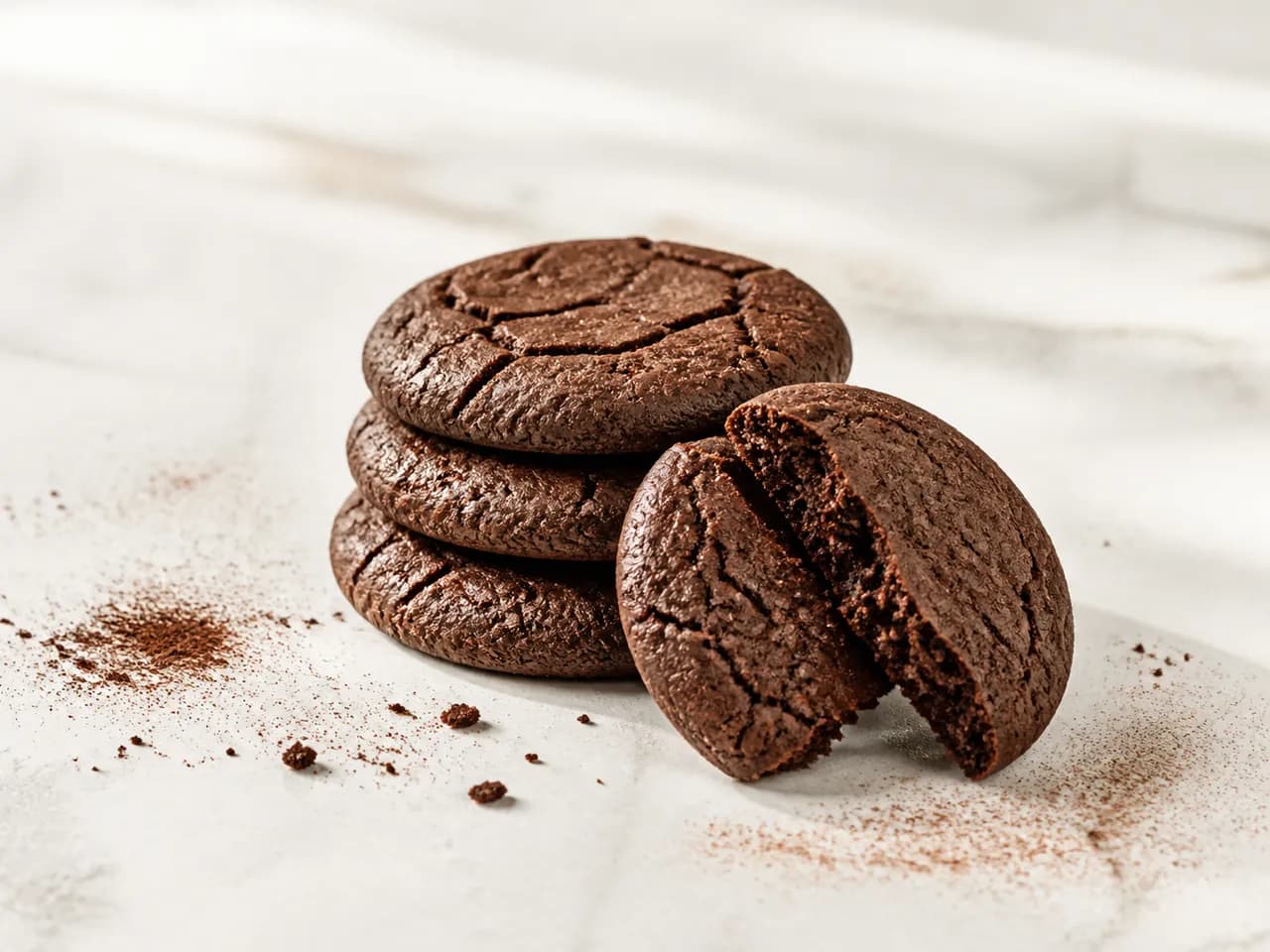
Finished gluten-free cocoa cookies with one cookie broken open
02

Gluten-free cocoa cookie base

Bakeries · Cookie manufacturers · Dry mixes

Rice flour12.70 oz (360g)

Nutrifena Tapioca Starch9.17 oz (260g)

Sugar8.82 oz (250g)

Nutrifena Cocoa3.53 oz (100g)

Baking powder0.71 oz (20g)

Salt0.28 oz (8g)

Nutrifena Xanthan Gum0.07 oz (2g)

Pilot method

Blend all dry ingredients until homogeneous. At production stage, develop the required fat, egg or binder and water addition for the target cookie texture. Confirm allergen controls for the complete formulation.

Buyer questions

Cocoa and cacao powder FAQ

Are cocoa powder and cacao powder the same?

The terms often overlap in English-language commercial and consumer markets, but neither name guarantees a particular processing method or grade. B2B buyers should confirm the exact SKU specification, including whether it is natural or alkalized, fat content, pH and particle size.

Why does this page use both cocoa and cacao?

The two search terms refer to the same broad Theobroma cacao ingredient family. Nutrifena uses one canonical product URL so buyers can compare documented cocoa or cacao powder grades without creating a competing duplicate page.

Does cacao powder always mean raw or minimally processed?

No. Some brands use cacao for that positioning, but the word does not prove roast temperature, alkalization, organic status, flavanol content or any other process claim. Request product-specific documentation.

How is cocoa powder made?

Cacao beans are harvested, fermented, dried, cleaned, roasted, cracked and winnowed. The nibs are ground into cocoa liquor, part of the cocoa butter is pressed out, and the remaining cake is milled into powder. Exact processes vary by supplier and grade.

What is the difference between natural and alkalized cocoa powder?

Natural cocoa is not treated with the alkalizing process used for Dutch-process grades. Alkalized cocoa is treated under controlled conditions to modify properties such as pH, color, flavor and dispersibility. The exact result depends on the grade.

Is Dutch-process cocoa the same as alkalized cocoa?

Dutch-process is a common name for alkalized cocoa. Treatment intensity and the resulting pH, color, flavor and performance still vary, so the supplier specification remains necessary.

Can natural and alkalized cocoa powder be substituted one-for-one?

Not automatically. Their pH, color, flavor, residual fat and application behavior can differ. In chemically leavened bakery formulas, changing cocoa can also alter the acid-base balance.

Is cocoa powder the same as cocoa liquor or cocoa mass?

No. Cocoa liquor or mass is ground cocoa nib material containing cocoa solids and cocoa butter. Cocoa powder is made after part of that cocoa butter is pressed out and the resulting cake is milled.

Is cocoa powder the same as chocolate?

No. Cocoa powder is one cocoa-derived ingredient. Chocolate and chocolate products normally use a defined combination of cocoa ingredients and other components under an applicable formulation and legal identity.

Does cocoa powder dissolve in water?

Cocoa particles generally need wetting, dispersion and suspension rather than behaving like a fully soluble sugar. Performance depends on particle size, fat, lecithination, mixing, temperature, viscosity and the complete beverage system.

What cocoa-butter content should I request?

There is no universal best level. Residual cocoa butter affects richness, mouthfeel, handling and cost. State the finished application and confirm the supplier's range and test basis for the selected grade.

Does darker cocoa powder have more cocoa or flavanols?

Not necessarily. Color can be strongly affected by alkalization and processing. Dark appearance does not establish cocoa percentage, flavor strength or flavanol content.

Is regular cocoa powder high in flavanols?

Do not assume so. Flavanol levels vary with raw material and processing. FDA's qualified claim applies to qualifying high-flavanol cocoa powder under specific conditions, not to regular cocoa powder or chocolate.

Is cocoa powder organic?

Only an exact product supported by current certification may be represented as organic. The botanical source, cocoa name or natural processing status does not establish an organic claim.

What is the minimum order for the currently priced cocoa powder?

The published Alkalized Cocoa Powder SC 800 option is supplied in a 25 kg bag with a minimum order of one 25 kg package.

Which cocoa powder package size is currently priced?

The current public price applies to Alkalized Cocoa Powder SC 800 in a documented 25 kg commercial bag. Other grades or formats require a separate quotation.

Is the currently priced cocoa natural or alkalized?

The current priced grade is Alkalized Cocoa Powder SC 800. Natural and other cocoa grades are separate products and must be confirmed against their own specifications.

Can cocoa powder be used in beverages and bakery products?

Yes. Cocoa powder is commonly evaluated in beverages, baked goods, confectionery, dry mixes, sauces and other foods. The correct grade, dosage and processing method depend on the target product.

What should a cocoa powder RFQ include?

Provide natural or alkalized grade, application, target pH and color, cocoa-butter range, particle or dispersion requirement, package, annual volume, destination and required documentation.

Can I request technical and label information?

Yes. Include the application, quantity and destination so the team can confirm the relevant product specification, lot documentation, availability and commercial terms.

Content note: Cocoa composition varies with origin and processing. Regular cocoa powder should not be presented as “high flavanol cocoa powder” without analytical qualification. Review the FDA cocoa flavanol guidance and the final product specification before making nutritional or health claims.

Request information

Contact us to discuss specifications, availability and suitability for your application.

Request a quote