Stevia
Stevia-derived sweetening ingredients are used in small quantities to develop reduced-sugar or alternative sweetness systems.
Contact us to discuss specifications, availability and suitability for your application.
 NOURISHING WHAT MATTERS
Wholesale stevia extract powder for beverages, bakery, confectionery, dry mixes, sauces and supplements. Current packaging and minimum orders are shown in the pricing section.
$577.54 per kg
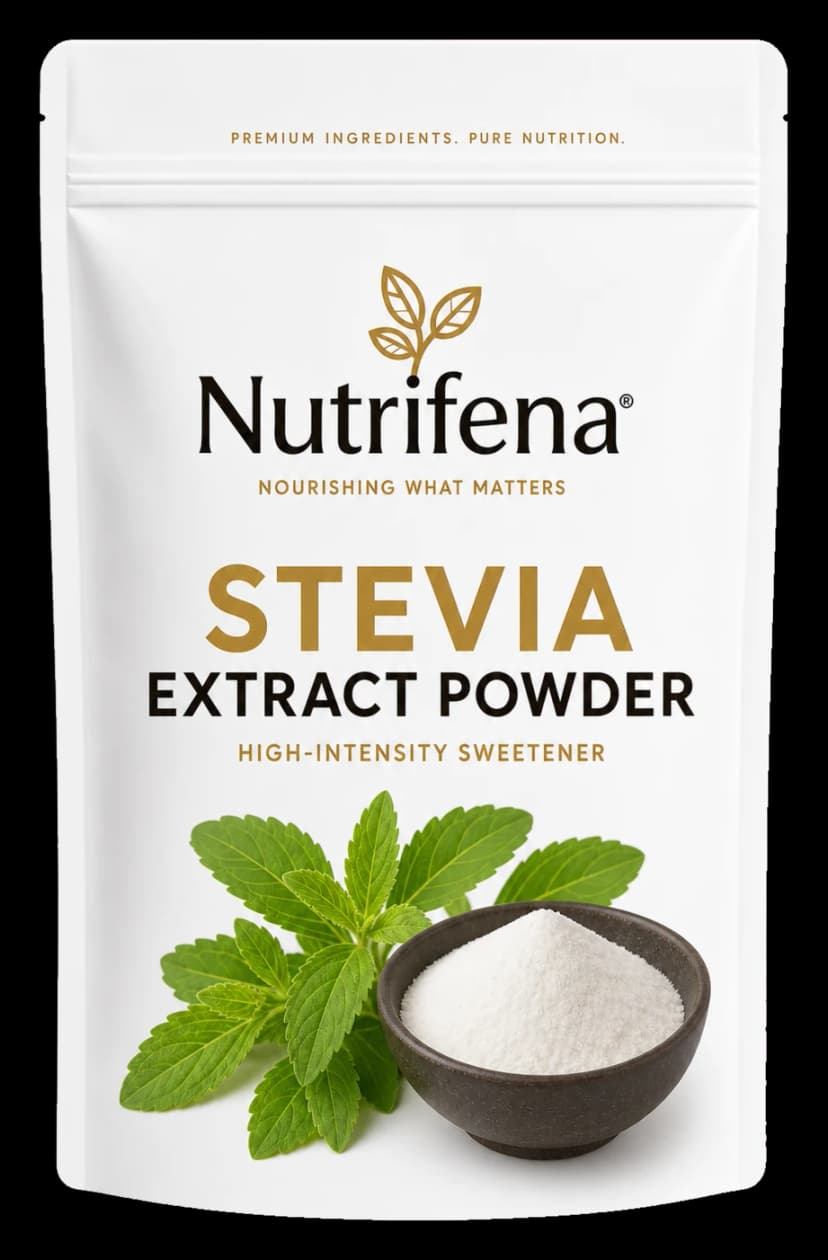
Stevia-derived sweetening ingredients are used in small quantities to develop reduced-sugar or alternative sweetness systems.
Contact us to discuss specifications, availability and suitability for your application.
The available specification identifies a high-purity steviol-glycoside sweetener with rebaudioside A at 95% minimum.
Documented grade: Steviol glycosides; rebaudioside A ≥95%
Identity: INS 960a · CAS 57817-89-7
Origin: Plant origin; China
Composition: Steviol glycosides including stevioside, rebaudioside, dulcoside A, rubusoside and steviolbioside
Rebaudioside A purity: ≥95.0%
Moisture: ≤6.0%
pH (1% solution): 5.5–7.0
Arsenic / lead: ≤1 ppm / ≤1 ppm
Commercial package: 20 kg carton with inner polyethylene bag
Shelf life: 730 days
Storage: Keep closed in a dry, ventilated place, protected from sunlight and moisture
Tabletop sweeteners
Reduced-calorie foods
Reduced-calorie beverages
The specification identifies the product as non-GMO.
The allergen section is recorded as not applicable; confirm current lot documentation for the destination market.
Revision: 00
Effective date: March 20, 2024
Values apply to the documented Reb A 95 grade. Confirm the current specification and lot Certificate of Analysis before formulation.
Stevia extract used as a food sweetener is a highly purified preparation of steviol glycosides. These sweet-tasting compounds occur in the leaves of Stevia rebaudiana. Commercial production may include water extraction, separation, purification and drying; some steviol glycosides may also be produced or modified through controlled enzymatic or fermentation-based processes. The finished ingredient is typically a white to pale powder used at much lower levels than sugar.
The word stevia can refer to the plant, leaf powder, crude extracts or purified steviol glycosides, but these forms are not interchangeable. U.S. food applications generally use high-purity steviol glycosides supported by the relevant regulatory and technical documentation. Grades may emphasize rebaudioside A, rebaudioside M, stevioside or a defined glycoside blend. Composition affects sweetness intensity, onset, lingering sweetness and bitter or licorice-like notes, so buyers should approve the assay, glycoside profile, solubility, particle size and sensory performance before scale-up.
Purified steviol glycosides provide concentrated sweetness for product development, but the selected grade and complete sweetness system determine the finished sensory profile.
FDA describes certain high-purity steviol glycosides as approximately 200 to 400 times sweeter than table sugar, allowing low use levels relative to sucrose.
Can replace part of the sweetness contribution from sugar while formulators rebuild solids, body, browning and flavor with the complete ingredient system.
Works in blends with sugar, polyols, flavors, acids and bulking ingredients to tune sweetness onset, finish and overall sensory balance.
Provides concentrated sweetness for beverages, bakery, confectionery, dry mixes, sauces and supplement formats.
Supports sugar-reduction projects when bulk, texture, browning, preservation and mouthfeel are rebuilt as needed.
Can be pre-blended with maltodextrin or another suitable carrier to improve distribution at low use levels.
Pairs with cocoa, açaí, citric acid, Vitamin C and xanthan gum in multi-component product systems.
Allows buyers to specify glycoside composition, assay, particle size, solubility and sensory target for the intended process.
Available to B2B buyers in packaged and quoted commercial quantities. The current minimum order is shown in the pricing section.
Use this index to move between product identity, formats, comparisons, applications, safety context and buying requirements.
Stevia rebaudiana is a plant whose leaves contain sweet-tasting steviol glycosides. Food manufacturers generally source a purified, standardized extract—not the plant, seeds or a generic leaf powder.
Searches for stevia plant and stevia seeds describe the agricultural source. Leaves are harvested from mature plants, but seed germination, crop production and dried-leaf quality are separate from the manufacture and approval of a purified food sweetener.
A stevia powder can be a high-purity steviol-glycoside extract, ground leaf, a tabletop blend or a baking blend. Those products differ sharply in composition and use level. A commercial buyer should identify the glycosides, assay, carrier, particle form and regulatory basis instead of specifying “stevia powder” alone.
Nutrifena supplies stevia extract for manufacturing. The current offer, minimum order and commercial package information remain in this page’s pricing section; the exact SKU specification and lot documents control over this educational guide.
Stevia rebaudiana is the botanical source. Plant identity does not establish the purity, regulatory status or sensory profile of a finished sweetener.
Seeds are planting material, not a standardized food sweetener. Crop genetics and growing conditions can influence the leaf entering extraction.
Leaves contain multiple steviol glycosides. Whole leaf, leaf powder and crude extracts are not interchangeable with high-purity glycosides.
A purified ingredient supplied to a defined glycoside composition and assay for food or beverage formulation.
The sweet compounds originate from a plant, but natural labeling depends on the exact process, other ingredients, destination market and brand policy.
Tea made from leaf is a different product and regulatory use from purified steviol glycosides added to a manufactured beverage.
The exact process is supplier-specific. A conventional leaf-derived route commonly includes the following stages, while some approved glycosides may use enzymatic or fermentation-based production.
Stevia rebaudiana is cultivated and the leaves are harvested to supplier-defined maturity and quality criteria.
Controlled drying stabilizes the crop before extraction. The dry leaf may be milled or prepared to improve contact with the extraction medium.
Water or another documented food-process system transfers steviol glycosides from the leaf into a liquid extract.
Filtration and clarification remove insoluble leaf material and prepare the extract for purification.
Adsorption, ion exchange, membrane steps, crystallization or other supplier-defined operations concentrate and separate the target glycosides.
The purified stream is concentrated and processed to achieve the required composition, assay and sensory profile.
The ingredient is dried into powder and standardized to its approved glycoside specification. A carrier or blending step must be declared when applicable.
The lot is assessed for identity, assay, glycoside profile, moisture, microbiological and other specified criteria before release in the commercial package.
The front-of-pack word stevia does not reveal how much purified extract is present or which other ingredients supply volume and handling.
For industrial sourcing, confirm whether this means a high-purity extract and identify glycoside composition, assay, solubility, particle size and carrier.
A liquid tabletop product usually contains stevia-derived sweetener in water with other formulation ingredients. It is not a one-for-one substitute for concentrated dry extract.
Packets commonly dilute a high-intensity sweetener with a carrier so consumers can measure it. Always read the current ingredient statement.
A relevant requirement for buyers avoiding that polyol. Request a full ingredient statement because a product may instead use dextrose, inulin, maltodextrin or another carrier.
A blend adds bulk to make kitchen measurement easier, but it still may not reproduce sugar’s browning, spread, preservation or texture without recipe changes.
These products combine a stevia-derived sweetener with sugar, molasses flavor or bulking ingredients. Composition, calories and replacement ratio vary by brand.
Sweeteners should be compared in a complete formula at matched sweetness—not by spoon weight or headline intensity alone.
| Sweetener | Formulation role | What to validate |
|---|---|---|
| Stevia extract | High-intensity sweetness from specified steviol glycosides at a low dose. | Glycoside profile, purity, sweetness onset and linger, bitterness, solubility, heat and pH performance, carrier and label treatment. |
| Sugar | Sweetness plus bulk, solids, browning, freezing-point effects, texture and, at sufficient concentration, preservation support. | Replacement target, solids, water activity, color, spread, viscosity, shelf life, calories and nutrition labeling. |
| Monk fruit | High-intensity sweetness from a different botanical source and mogroside composition. | Mogroside assay, carrier, onset and finish, cost-in-use, application stability and blend synergy. Stevia vs monk fruit is a sensory and technical decision, not a universal winner. |
| Sucralose | A high-intensity sweetener with a distinct temporal and stability profile. | Destination-market permissions, process stability, sweetness curve, interactions and label strategy. Splenda is a brand and may sell blends; it is not a technical synonym for every sucralose ingredient. |
| Aspartame | A different high-intensity sweetener with its own regulatory, stability and labeling considerations. | pH, heat, storage, phenylalanine labeling where required, sweetness profile and market acceptance. Stevia versus aspartame must be evaluated for the actual product. |
| Tabletop brand blends | Products sold under brands such as Truvia, Stevia In The Raw or Splenda may contain carriers or more than one sweetener. | Check the current label for the exact SKU. Brand formulations can change and should not be used as the specification for an industrial stevia extract. |
Stevia extract can support sugar reduction, but a successful product also rebuilds the physical and sensory work previously done by sugar.
Run a sensory curve with the approved glycoside grade. Perceived intensity, onset, peak and linger change with dose, temperature, acid, aroma and the product matrix.
Stevia is used at a low level and does not replace sugar solids. Beverages, bakery and fillings may require a separate bulking or mouthfeel system.
In bakery, reducing sugar changes Maillard and caramelization behavior, spread, aeration and crumb. Validate the full formula and bake profile.
Frozen desserts may harden when sugar is removed because freezing-point depression changes. Rebalance sweeteners, solids and stabilizers.
Stevia does not recreate the water-activity contribution of a high sugar concentration. Shelf-life and microbial controls must be reassessed.
Concentrated powder requires accurate weighing and a validated pre-blend or addition sequence to prevent hot spots, segregation and serving variation.
Acid, salt, aromas, sugar, polyols and other high-intensity sweeteners can reshape bitterness and lingering sweetness. Masking should not substitute for choosing the correct grade.
Stevia extract is used in beverages, tea, bakery, confectionery, sauces, dairy and plant-based products, supplements, packets and dry mixes after application-specific validation.
Stevia can supply sweetness in many systems, but it does not perform the same job in every formula. The extract grade, use level, carrier, sweetness curve and ingredients used to rebuild sugar's physical functions must be validated together.
Soda with stevia requires sweetness matching across acid, carbonation, flavor and serving temperature. Validate onset, peak, linger and stability through the intended shelf life.
Coffee bitterness and roast character can amplify or mask a stevia finish. A coffee syrup with stevia also needs body, preservation and pour behavior that concentrated extract cannot supply alone.
An energy drink with stevia may combine acids, caffeine, minerals and flavors that change perceived sweetness. An electrolyte without stevia or a protein powder with no stevia expresses an exclusion preference, not evidence that the category is unsafe.
When manufacturers replace sugar with stevia, they must rebuild bulk, browning, spread, moisture retention and texture. A stevia baking blend can simplify measurement, but its carrier and replacement ratio still need review.
Stevia sorbet and other frozen products need a separate solids and freezing-point strategy because intense sweetness does not keep a frozen matrix soft the way dissolved sugar can.
A stevia protein drink must balance protein flavor, minerals, viscosity and lingering sweetness. Searches for a protein shake without stevia are best served by transparent labels and alternative-SKU choices, not by hiding the sweetener system.
Stevia for keto or keto stevia searches concern the complete food and diet pattern. Review every carbohydrate-containing carrier and the finished Nutrition Facts panel rather than treating the word stevia as a finished-product claim.
Stevia brown sugar products usually combine sugar, molasses flavor, carriers or other sweeteners. They differ from high-purity extract in calories, bulk and replacement ratio.
Safety and health questions must distinguish high-purity steviol glycosides from whole leaf, crude extracts and multi-ingredient consumer blends. This section is educational and not medical advice.
FDA has received GRAS notices for multiple high-purity steviol-glycoside preparations and has responded that it has no questions about the notifier’s conclusion under the stated uses. That does not make every stevia leaf, crude extract or blend identical.
Questions about cancer should not be answered from anecdotes or by transferring evidence between sweeteners. The U.S. National Cancer Institute discusses the available evidence and identifies highly purified rebaudioside A separately from FDA-approved artificial sweeteners; evaluate authoritative guidance and the exact ingredient.
Purified steviol glycosides contribute intense sweetness at low use levels, but a packet, drop or finished food may contain sugars, starches, polyols or other ingredients. People managing blood glucose should review the complete label and seek individualized clinical advice.
Do not attribute a symptom to “stevia” without identifying the complete product. Some tabletop and baking blends contain polyols or fibers that have their own gastrointestinal considerations. Persistent or severe symptoms require medical advice.
Tolerance depends on the exact ingredient, amount, other components and individual context. Supplier specifications, applicable intake guidance and finished-product exposure are more useful than a generic list of side effects.
WHO’s 2023 guideline conditionally recommends against using non-sugar sweeteners for long-term weight control. WHO explicitly says that this recommendation is not a toxicological safety assessment and does not replace JECFA or other intake limits.
The word stevia covers unlike materials. FDA distinguishes certain high-purity steviol glycosides used under notified conditions from whole leaf and crude extracts, and consumer blends may contain additional ingredients. Safety questions should identify the exact ingredient, purity, intended use and total exposure.
This phrasing collapses an important U.S. distinction. FDA says whole-leaf and crude stevia extracts are not permitted for use as sweeteners, while the agency has not questioned GRAS conclusions for multiple high-purity steviol-glycoside preparations under their notified conditions of use. That is not a blanket approval of every product called stevia.
A useful assessment needs the complete product, dose, carrier and individual context. Reports involving a tabletop blend cannot automatically be attributed to purified steviol glycosides, and generalized online lists do not replace regulatory evaluation or individualized care.
Concentrated steviol glycosides are used at low levels, but packets, drops and finished foods can contain sugars, starches, polyols or other carbohydrates. People with diabetes should review the complete ingredient list and Nutrition Facts panel and follow individualized clinical guidance.
It usually describes interest in replacing some added sugar, not a treatment for diabetes. Nutrifena Stevia Extract is a formulation ingredient and is not represented as preventing, treating or controlling diabetes.
A glycemic-index number should not be transferred from purified extract to every stevia-branded product. Carriers and the finished food can change the carbohydrate and glycemic context; use the exact formulation and finished-product evidence.
The answer depends on the purpose and rules of the fast as well as the complete product. A concentrated extract, a packet with a carbohydrate carrier and a sweetened beverage are not equivalent. Medical or religious fasting questions require the appropriate professional or faith-specific guidance.
A symptom cannot be assigned to stevia extract from the front label alone. Some blends contain sugar alcohols, fibers or other ingredients with separate gastrointestinal considerations. Stop using a product and seek medical advice for persistent or severe symptoms.
Pregnancy is an individual medical context. FDA regulatory information about high-purity steviol glycosides is not a personalized recommendation for a pregnant person. Review the exact product and intake with a qualified prenatal clinician.
The National Cancer Institute reviews evidence on sweeteners and identifies highly purified rebaudioside A separately in the literature. A product page cannot promise that a food ingredient prevents cancer or turn mixed evidence across unrelated sweeteners into a stevia claim.
There is no responsible yes-or-no answer based only on the category word. Use authoritative reviews for the exact sweetener and exposure, and discuss personal cancer-risk concerns with a clinician.
Healthy is not an intrinsic certification. Stevia may help a formulator reduce added sugar, but the WHO guideline advises against relying on non-sugar sweeteners as a long-term weight-control strategy and states that this guidance is not a toxicological safety assessment.
A concentrated high-intensity sweetener is used in a small amount, while retail packets and blends may include caloric carriers. For stevia kcal questions, use the Nutrition Facts panel for the exact finished product rather than a category-wide number.
A reliable quotation identifies the exact ingredient, application, documentation and commercial requirement.
Specify purified steviol glycosides, the desired glycoside profile or grade, assay and whether a carrier is acceptable.
Describe the application, target sugar reduction, reference sweetness, serving, pH, process and known bitterness or linger constraints.
Request identity, assay, glycoside profile, loss on drying or moisture, solubility, particle form and applicable microbiological and contaminant limits.
Confirm suitability for the destination market, ingredient statement, allergen statement, country of origin and the relevant regulatory basis.
Provide annual volume, order size, package preference, destination, desired timing and whether the project needs samples or a production trial.
Review the Certificate of Analysis against the approved specification and retain a sensory reference for future lots or proposed changes.
Nutrifena supplies stevia extract to U.S. food, beverage and supplement manufacturers through a commercial RFQ. The quotation should identify the glycoside profile, assay, carrier status, package, quantity, destination and documents required for the intended market.
Searches such as stevia Walmart and stevia at Walmart usually point to consumer packets, drops or baking blends. Nutrifena is not affiliated with Walmart and does not claim retail inventory there. A retail blend should not be used as the technical specification for concentrated industrial extract.
Organic stevia is a product-specific certification question. The word organic must be supported for the exact SKU and certification scope; this page does not represent the current Nutrifena extract as Organic.
Exact steviol-glycoside identity and assay
Carrier-free extract or declared carrier system
Powder form, solubility and sensory target
Country of origin and manufacturing process
Specification, Certificate of Analysis and glycoside profile
Package size, minimum order, annual volume and destination
Application, pH, process, shelf life and sugar-reduction target
Each phrase links to the section that resolves its underlying question. Similar wording is grouped to keep the guide readable without hiding the distinctions present in search demand.
Queries about what stevia is, where it comes from and how plant, leaf and purified extract terminology differs.
stevia · stevia what is · what is stevia leaf extract · stevia leaves extract · stevia plant · stevia seeds · stevia seed · stevia tea · sweet leaves stevia · stevia is natural · stevia natural · ingredients for stevia · brown stevia · stevia azucar
Searches that need the label-reading and format guide because products carrying the word stevia are not interchangeable.
sweeteners with stevia · stevia in the raw · stevia in the raw ingredients · ingredients in stevia in the raw · stevia powder · powdered stevia · stevia powdered · liquid stevia · stevia sweetener liquid · stevia drops · stevia drop · sweet stevia drops · stevia sweet leaf drops · sweet leaf stevia drops · stevia packets · stevia packet · organic stevia · pure stevia · pure stevia extract · pure stevia leaf extract · 100 pure stevia extract · pure stevia products · stevia without erythritol · stevia baking blend · stevia brown sugar · sweetleaf stevia
Comparison searches mapped to the formulation table and buyer notes rather than a universal winner claim.
sucralose vs stevia · splenda vs stevia · stevia vs splenda · stevia splenda · allulose vs stevia · monk fruit vs stevia · stevia vs monk fruit · stevia vs sugar · stevia versus aspartame · stevia or truvia · truvia vs stevia · truvia stevia
Application searches mapped to practical formulation guidance, pilot concepts and the limitations of replacing sugar.
replace sugar with stevia · sugar replacement stevia · soft drinks with stevia · soda with stevia · stevia coffee · coffee syrup stevia · energy drink with stevia · stevia in drinks · stevia in baking · stevia sorbet · stevia protein drink · protein shake without stevia · protein powder no stevia · electrolyte without stevia · stevia for keto · keto stevia
Sensitive searches answered with explicit limits, exact-product context and authoritative regulatory or public-health sources.
stevia is it bad for you · stevia negative effects · stevia not good for you · stevia is healthy · is stevia healthy for you · stevia is bad · dangers stevia · stevia is safe · why was stevia banned · can stevia raise blood sugar · stevia diabetics · stevia in diabetes · can stevia cause cancer · will stevia cause cancer · does stevia break a fast · can stevia cause diarrhea · stevia for pregnant · is stevia safe for pregnant · stevia kcal · gi index of stevia
Retail searches receive neutral buying guidance without implying affiliation, local inventory or a Nutrifena storefront.
The botanical source whose leaves naturally contain steviol glycosides.
A family of sweet-tasting compounds that includes stevioside and multiple rebaudiosides.
Rebaudioside A, one glycoside that can be specified as part of a purified stevia ingredient.
The measured amount of a specified component or group of components under the stated analytical method.
A sweetener used at a much lower level than sucrose to reach a target sweetness.
An ingredient used to dilute, disperse, standardize or make a concentrated sweetener easier to dose.
A U.S. notification describing a notifier's conclusion that a substance is generally recognized as safe under specified conditions; FDA response language must be represented accurately.
Acceptable daily intake, a toxicological reference value established by an authoritative risk-assessment body, not a recommended daily serving.
How sweetness begins, peaks and lingers over time during sensory evaluation.
Stevia can mean the Stevia rebaudiana plant, its leaves or a sweetener made from purified steviol glycosides. Food manufacturers should specify the exact extract, assay and glycoside profile.
It may be concentrated stevia extract, leaf powder, a tabletop carrier blend or a baking blend. Read the ingredient statement and technical specification because these forms are not interchangeable.
A conventional process dries stevia leaves, extracts glycosides, removes plant solids, purifies and concentrates the target compounds, crystallizes or standardizes them, dries the powder and tests the finished lot.
Its sweet glycosides originate from a plant, but “natural” labeling depends on the exact manufacturing process, other ingredients, destination-market rules and brand policy.
High-purity steviol glycosides have a different regulatory and evidence profile from whole leaf, crude extracts and blends. Evaluate the exact ingredient, intended use and applicable authoritative guidance.
A generic stevia claim is not a sound cancer assessment. Review evidence from authoritative agencies for the exact high-purity ingredient and intended exposure, and seek medical advice for personal risk questions.
The purified sweetener is used at a low level, but consumer packets and finished foods may contain other carbohydrates or sweeteners. Review the complete nutrition and ingredient labels and seek individualized clinical advice.
Some stevia-branded products contain polyols, fibers or other carriers. Symptoms cannot be assigned to stevia extract without identifying the complete product and exposure.
It is a stevia product formulated without erythritol. It may still contain another carrier such as dextrose, inulin or maltodextrin, so confirm the full ingredient statement.
No. Drops are liquid formulations and may contain water, preservatives or flavors; powders range from concentrated extract to diluted blends. Their potency and use instructions differ.
Neither is universally better. Compare sensory profile, assay, carrier, cost-in-use, process stability, labeling and performance in the actual application.
They are different high-intensity sweeteners with different origins, sweetness profiles and formulation considerations. Splenda is a brand, not a synonym for every sucralose ingredient.
Request product identity, glycoside profile, assay, technical specification, COA, ingredient and allergen statements, origin, regulatory basis, packaging, shelf life and application support.
Yes. Nutrifena supplies stevia extract for food and beverage manufacturing. Current minimum order, package and estimated pricing appear in this page’s commercial section; grade and documents are confirmed with the quote.
Official distinction between high-purity steviol glycosides and whole-leaf or crude stevia materials, with regulatory background.
Public record for purified steviol glycosides from Stevia rebaudiana leaves and the intended food uses evaluated in that notice.
International expert evaluation and specification resources for steviol glycosides.
The 2023 guideline on long-term weight control, which states that it is not a toxicological safety assessment and does not replace established safe-intake guidance.
Evidence overview that discusses cancer research across sweeteners and separately identifies highly purified rebaudioside A in the reviewed literature.
Each example is a 2.2 lb (1kg) pilot dry formulation created for commercial product development. The stevia levels are illustrative and must be recalculated for the approved glycoside grade and sweetness target. These are starting points, not finished product specifications; validate processing, stability, sensory performance, nutrition, allergens and regulatory compliance before production.
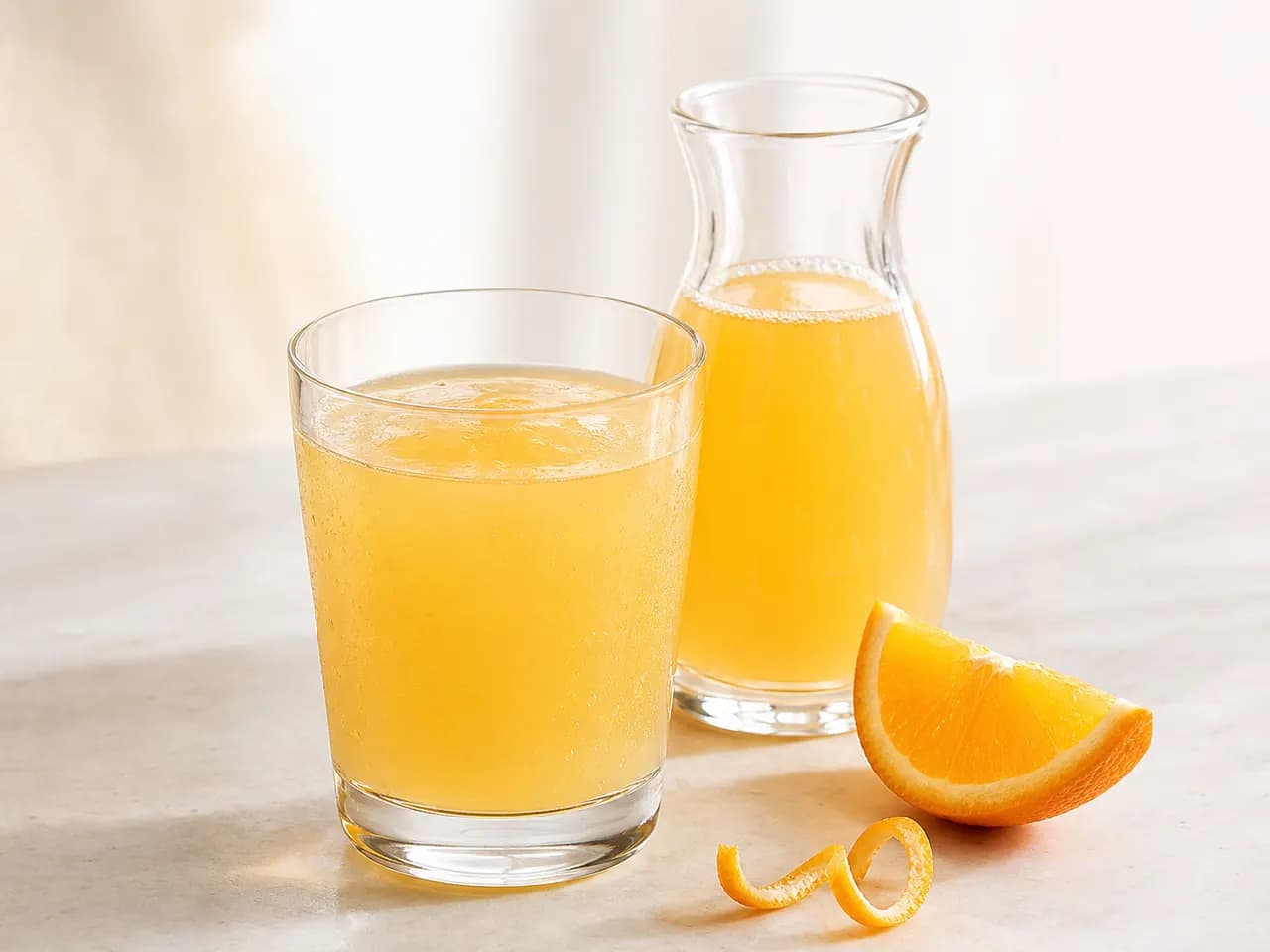
Nutrifena Corn Maltodextrin31.75 oz (900g)
Sugar1.76 oz (50g)
Nutrifena Citric Acid0.88 oz (25g)
Natural orange flavor0.53 oz (15g)
Nutrifena Ascorbic Acid — Vitamin C0.18 oz (5g)
Nutrifena Xanthan Gum0.11 oz (3g)
Nutrifena Stevia Extract0.07 oz (2g)
Pre-blend the stevia and xanthan gum into part of the maltodextrin before adding the remaining powders. Establish the serving addition rate for the target beverage, then validate sweetness equivalence, temporal profile, pH, dispersion, mouthfeel, packaging and shelf life.
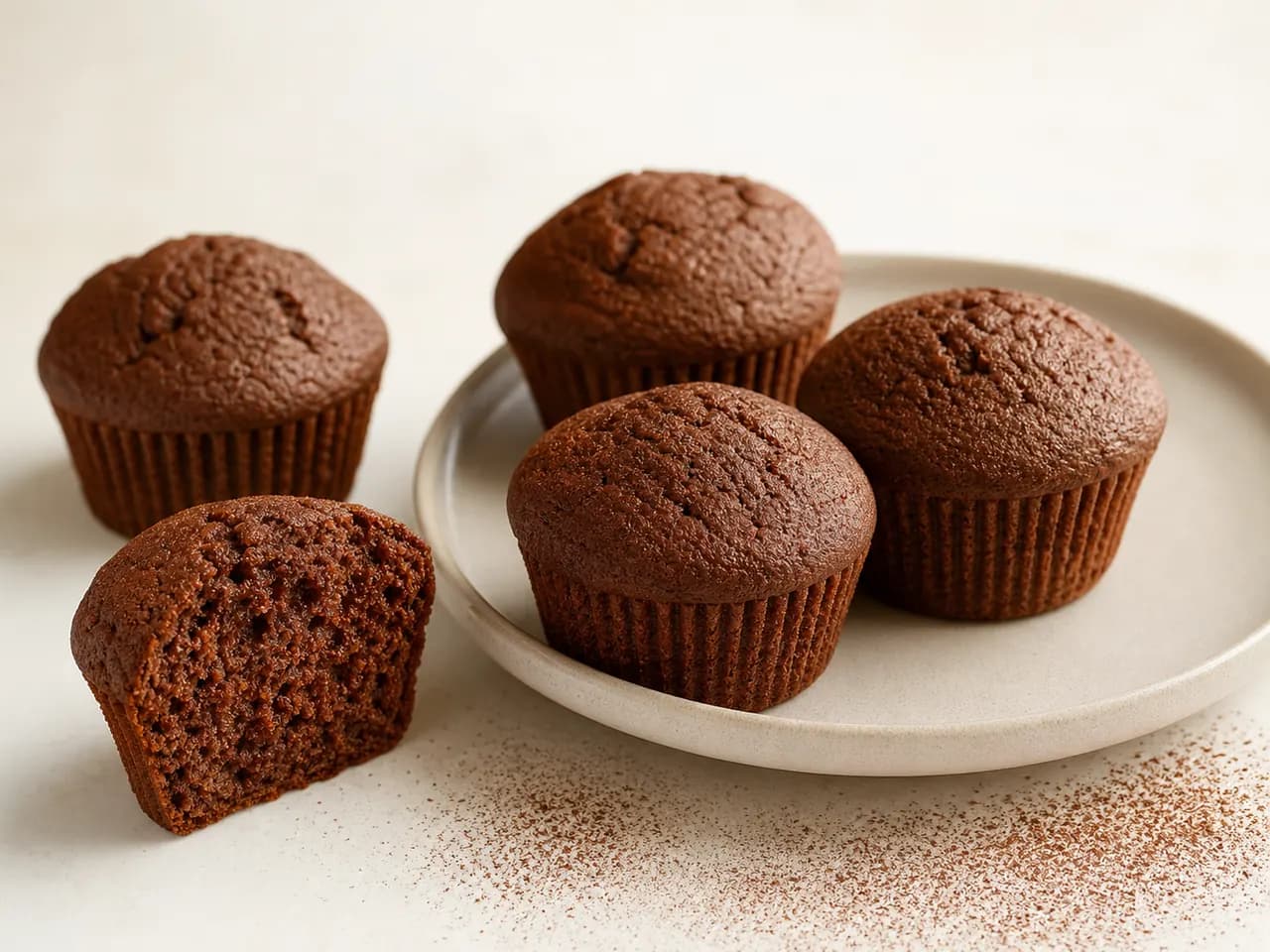
Wheat flour19.40 oz (550g)
Nutrifena Cocoa4.23 oz (120g)
Nutrifena Tapioca Starch3.53 oz (100g)
Nutrifena Corn Maltodextrin4.23 oz (120g)
Skim milk powder2.12 oz (60g)
Baking powder0.88 oz (25g)
Salt0.18 oz (5g)
Sugar0.63 oz (18g)
Nutrifena Stevia Extract0.07 oz (2g)
Pre-blend the stevia with the maltodextrin before combining all dry ingredients. Develop water, egg, fat and process additions separately for the target line. Validate batter viscosity, sweetness, cocoa balance, browning, volume, crumb, water activity and shelf life.
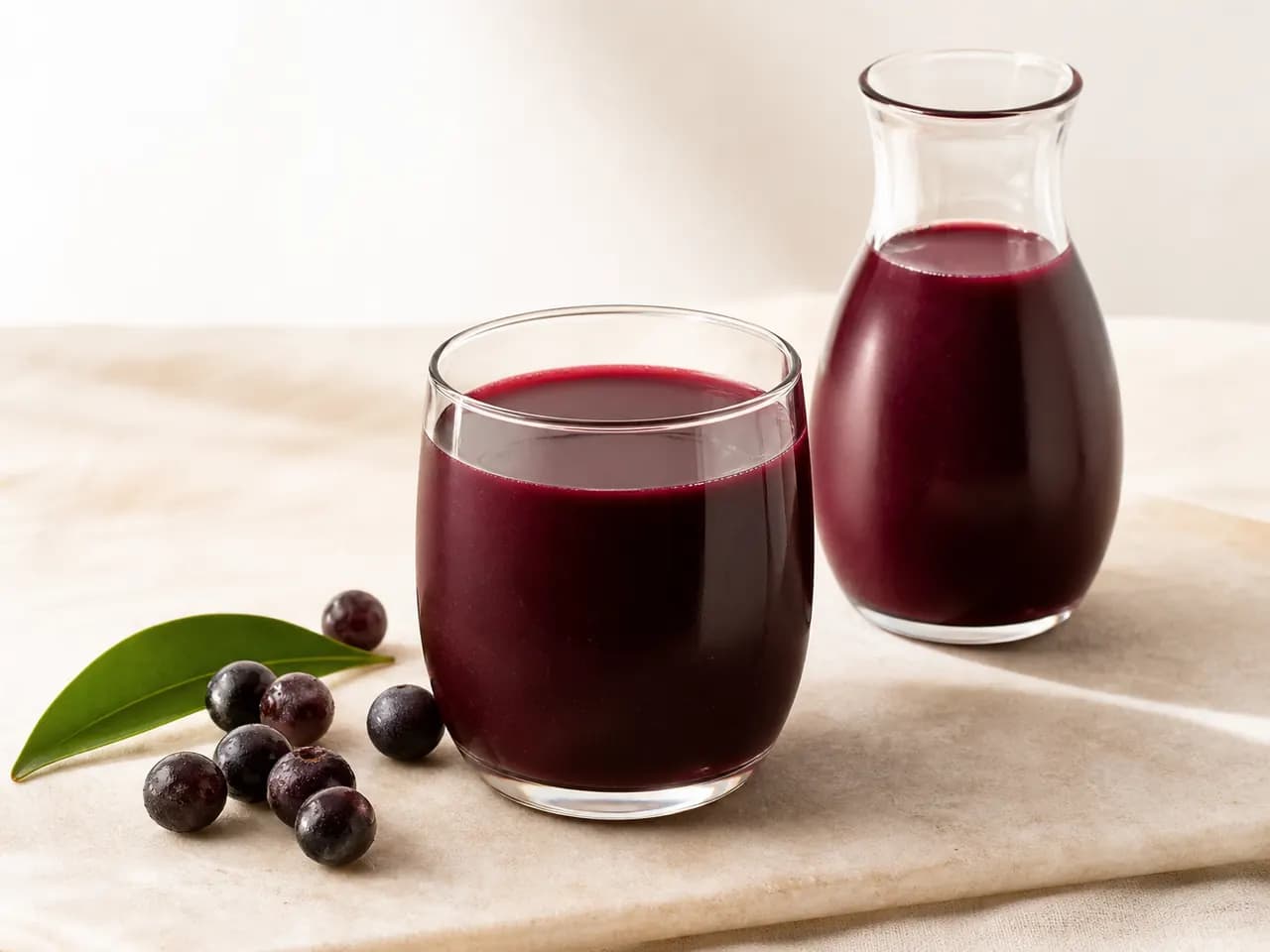
Nutrifena Corn Maltodextrin24.52 oz (695g)
Nutrifena Dehydrated Açaí Powder 50%8.82 oz (250g)
Nutrifena Citric Acid0.71 oz (20g)
Natural berry flavor0.71 oz (20g)
Nutrifena Xanthan Gum0.18 oz (5g)
Nutrifena Stevia Extract0.18 oz (5g)
Nutrifena Ascorbic Acid — Vitamin C0.18 oz (5g)
Pre-blend the stevia, xanthan gum and acids into part of the maltodextrin, then combine with the remaining powders. Establish the serving addition rate and validate sweetness balance, acidity, color, dispersibility, sedimentation, packaging and shelf life.
Yes. The current minimum order is shown in the pricing section. Grade availability, packaging, freight and lead time are confirmed in the quote.
No. Leaf powder, crude extracts and highly purified steviol glycosides differ in composition, sweetness and U.S. regulatory status. Request the ingredient identity, assay and regulatory documentation for the selected SKU.
FDA reports that certain high-purity steviol glycosides are approximately 200 to 400 times sweeter than table sugar. Actual sweetness depends on glycoside composition, concentration, product matrix and sensory method.
No. Stevia contributes intense sweetness at a low use level but does not replace sugar's bulk, browning, texture, freezing-point, preservation or mouthfeel functions. Those properties must be rebuilt for the application.
Because use levels can be low, manufacturers often create a controlled pre-blend with a suitable carrier before full-batch mixing. Validate weighing accuracy, blend uniformity, segregation risk and finished serving consistency.
Yes. Include the application, sweetness target, preferred grade, package size, quantity and destination so the team can identify the relevant SKU and available documents.
Regulatory and specification note: FDA distinguishes highly purified steviol glycosides used as sweeteners from stevia leaf and crude extracts, and reports sweetness of approximately 200 to 400 times sucrose for certain high-purity forms. Review the FDA sweetener guidance and the FAO/JECFA steviol glycoside specification alongside the approved Nutrifena SKU specification and lot documents before setting use levels, label language or purchasing requirements.
Contact us to discuss specifications, availability and suitability for your application.