Corn Maltodextrin
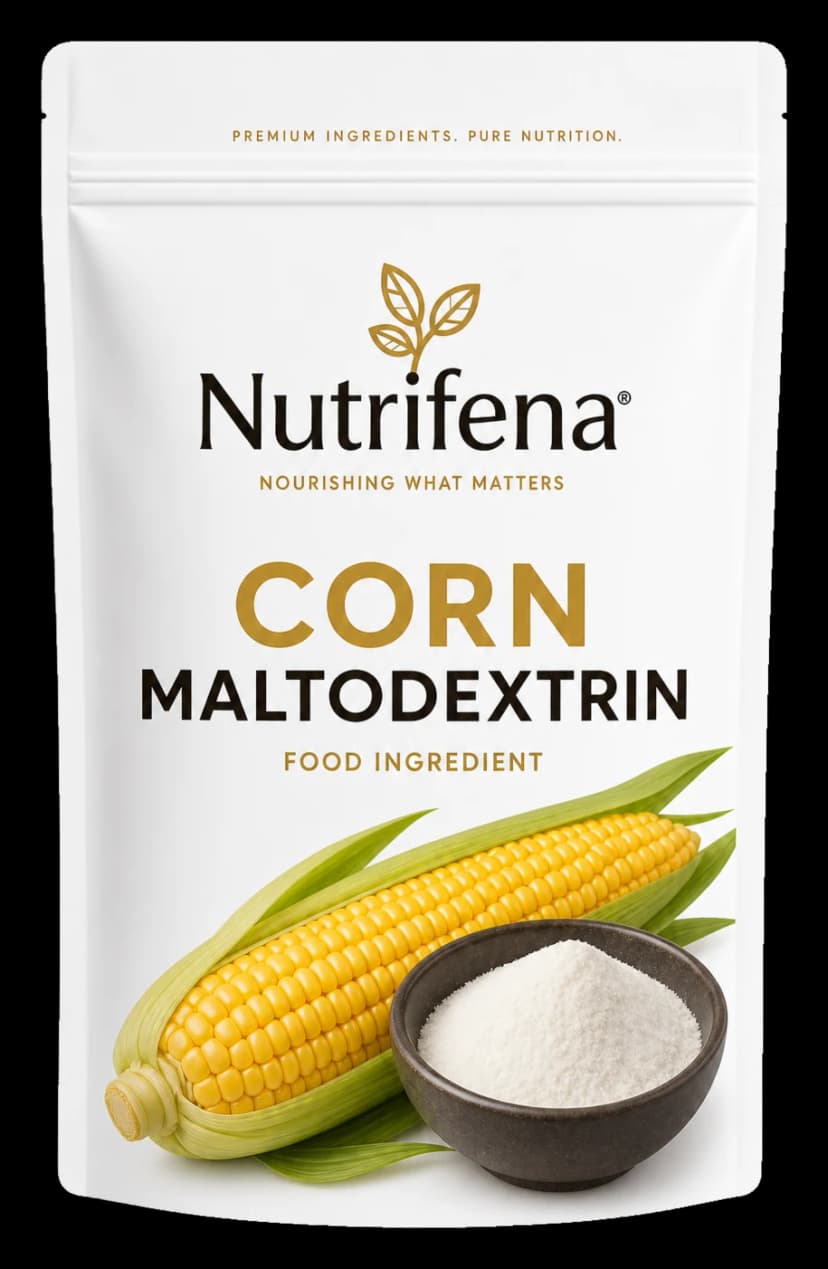
Corn maltodextrin is commonly used as a carrier, bulking agent or to help manage solids in a broad range of formulations.
Contact us to discuss specifications, availability and suitability for your application.
 NOURISHING WHAT MATTERS
Nutrifena is a corn maltodextrin supplier for beverage powders, seasonings, confectionery, bakery and supplements. Compare verified Manimalto 10 and 20 data, recipes and current Manimalto 20 pricing.
$6.77 per kg
Corn maltodextrin is commonly used as a carrier, bulking agent or to help manage solids in a broad range of formulations.
Contact us to discuss specifications, availability and suitability for your application.
Two documented corn-maltodextrin grades differ principally by dextrose equivalent: Manimalto 10 at DE 9.0–12.0 and Manimalto 20 at DE 17.0–19.9.
Documented grade: Manimalto 10 and Manimalto 20
Origin: Plant origin; corn starch
Process: Enzymatic conversion of corn starch followed by purification and drying
Appearance: White powder with characteristic odor and taste
Manimalto 10 dextrose equivalent: 9.0–12.0
Manimalto 20 dextrose equivalent: 17.0–19.9
pH: 4.5–5.5
Moisture / ash: ≤5.0% / ≤0.5%
SO₂ / total protein: ≤25 ppm / ≤0.5%
Commercial package: 25 kg multiwall kraft-paper bag with inner polyethylene layer
Shelf life: 24 months
Storage: Keep closed in a clean, dry and ventilated place, protected from sun, moisture, pests and strong odors
Flavors and essences
Powdered drinks and isotonic beverages
Soups, chocolate drinks and cake mixes
Confectionery and fillings
Dairy beverages and sports supplements
Both specifications state gluten-free and no allergens under the cited Brazilian regulation.
Both grades are produced from genetically modified corn, with reported transgenic presence below 1% in the finished product.
The current published price is tied to Manimalto 20; do not apply it automatically to Manimalto 10.
Revision: Manimalto 10: 11 · Manimalto 20: 12
Effective date: March 13, 2023
Select the DE range before quoting or formulating. Each grade requires its own current specification and lot COA.
Corn maltodextrin is a white carbohydrate powder produced by controlled conversion of corn starch followed by purification and drying. It is made primarily of D-glucose units and, under the FDA definition, has a dextrose equivalent below 20. Nutrifena's verified data covers Manimalto 10 at DE 9.0–12.0 and Manimalto 20 at DE 17.0–19.9.
DE relates to the degree of starch hydrolysis, but it does not define every performance attribute. The selected grade can influence sweetness, water interaction, solution viscosity and processing behavior. Buyers should approve the exact grade, DE, pH, moisture, ash, SO₂, protein, packaging and application-specific documentation before scale-up. The current public price on this page applies to Manimalto 20 only.
A specified maltodextrin grade can help manufacturers manage solids, distribute concentrated ingredients and build consistent dry systems without adding a strongly sweet flavor.
Helps distribute flavors, colors, botanical extracts and other low-dose ingredients when the selected DE, density and process are appropriate.
Adds carbohydrate solids and body while generally contributing less sweetness than dextrose or many corn syrup solids.
Provides a practical powder format for premixes and can support flow, dispersion and ingredient uniformity after application testing.
Supports more uniform distribution of flavors, colors and concentrated ingredients in dry premixes.
Provides a carrier option for spray-dried and encapsulated systems when the selected grade and process are validated.
Adds solids and body to beverage, confectionery, seasoning and dry-mix systems with relatively low sweetness.
Pairs with cocoa, açaí, guaraná extract, citric acid, xanthan gum and other formulation ingredients.
Allows buyers to select Manimalto 10 or Manimalto 20 by verified DE range and confirm the documentation required for the intended process.
Available to B2B buyers in packaged and quoted commercial quantities. The current minimum order is shown in the pricing section.
Corn maltodextrin is a dry starch-hydrolysis product used by food and beverage manufacturers to carry ingredients, add solids and support processing. Its source alone does not define performance: dextrose equivalent, physical specifications and the exact commercial grade must be reviewed together.
Corn starch consists mainly of long glucose-based carbohydrate chains. During maltodextrin manufacture, controlled hydrolysis breaks a portion of those chains into shorter chains. The material is then purified, concentrated and dried into a white powder. In the United States, 21 CFR 184.1444 describes maltodextrin as a nonsweet nutritive saccharide polymer made from edible starch and having a dextrose equivalent below 20.
Dextrose equivalent, usually abbreviated DE, indicates the amount of reducing sugars expressed as dextrose on a dry basis and reflects the extent of hydrolysis. A lower-DE maltodextrin generally contains longer average carbohydrate chains than a higher-DE grade. DE is a central selection criterion, but it is not a complete product specification; two products at a similar DE can still differ in density, particle profile, moisture, taste, microbiological limits and behavior in a manufacturer's process.
The Nutrifena technical data on this page covers two documented corn-maltodextrin grades. Manimalto 10 has DE 9.0–12.0, while Manimalto 20 has DE 17.0–19.9. Both are produced by enzymatic conversion of corn starch followed by purification and drying. The current public Offer is tied specifically to Manimalto 20 and must not be treated as the price for Manimalto 10.
Manufacturers use maltodextrin in flavor and essence systems, powdered drinks, isotonic beverages, soups, chocolate drinks, cake mixes, confectionery, fillings, dairy beverages and sports-supplement formulations. Its actual role varies: it may serve as a vehicle, dry carrier, solids contributor, bulking material, texture aid or component of a spray-drying system. Application trials are still required because maltodextrin does not perform independently of the complete formula.
The documented Nutrifena grades are produced from corn starch. Source statements, GMO status and other declarations must follow the exact supplied specification rather than assumptions about maltodextrin generally.
Manimalto 10 is specified at DE 9.0–12.0 and Manimalto 20 at DE 17.0–19.9. The correct grade should be chosen before price, process or label decisions are finalized.
Both grades are described as white powders with characteristic odor and taste. The verified supply section records a 25 kg multiwall kraft-paper bag with an inner polyethylene layer.
Corn maltodextrin, tapioca maltodextrin, resistant maltodextrin, corn syrup solids, glucose syrup and dextrose are different purchasing identities and should not be substituted by name alone.
The steps below describe a representative enzymatic manufacturing sequence and the controls a buyer should understand. The exact supplier process, current specification and lot COA remain controlling for the quoted grade.
Corn kernels are processed to separate starch from other kernel fractions. The resulting refined corn starch becomes the carbohydrate feedstock for this maltodextrin family.
Starch is dispersed in process water at a controlled solids level. Mixing, temperature and pH are adjusted for the conversion process.
Heat and water disrupt the granular starch structure so the carbohydrate chains become accessible to controlled enzymatic action.
Enzymes cleave selected bonds in the starch chains. Process time, temperature, enzyme system and endpoint control determine the degree of conversion.
The conversion is stopped when the target dextrose-equivalent range is reached. Manimalto 10 and Manimalto 20 require different verified DE windows.
Heat or another validated process condition stops further enzymatic activity so hydrolysis does not continue beyond the intended range.
Insoluble material is removed from the hydrolysate. Filtration and related separation operations help prepare a cleaner carbohydrate solution for refining.
The solution is refined according to the manufacturer's process to reduce unwanted color, odor, minerals or other process-related impurities.
Water is removed under controlled conditions to raise solids before drying. Feed concentration affects dryer loading and final powder formation.
The concentrated maltodextrin solution is dried into powder. Industrial spray drying is common, although the verified specification should remain the source for the exact production description.
The powder is brought to a suitable particle condition, sampled and evaluated against its grade specification. DE, pH, moisture, ash and other required results are confirmed through the applicable controls and lot documentation.
The documented Nutrifena grades are packed in 25 kg multiwall kraft-paper bags with an inner polyethylene layer and should be kept closed in a clean, dry, ventilated location away from sunlight, moisture, pests and strong odors.
DE is a useful indicator of hydrolysis and average molecular profile, but it does not predict every property by itself. Grade selection should combine DE with physical data and an application test.
A higher DE indicates that hydrolysis has produced more reducing ends and shorter average chains. Within the Nutrifena range, Manimalto 20 is more extensively converted than Manimalto 10. This can influence sweetness perception, solution viscosity, osmotic behavior, water interaction, glass-transition behavior and performance as a drying carrier. The magnitude of each difference depends on solids, temperature and the complete system.
Lower-DE material generally has a higher average molecular weight and can produce more viscosity at the same solids level than a higher-DE maltodextrin. Higher-DE material may taste somewhat sweeter and behave differently with humidity. These are useful development tendencies, not substitutes for data: published research also shows that DE alone may be insufficient to predict hygroscopicity and other physical behavior across commercial maltodextrins.
For spray-dried flavors, colors or botanical preparations, maltodextrin can add carrier solids and participate in formation of the dry matrix. Carrier concentration, DE, emulsifier, feed viscosity, inlet and outlet conditions, core material and final moisture all affect recovery and storage. Calling maltodextrin an encapsulant does not guarantee retention of a particular volatile or active ingredient.
For a direct dry blend, particle-size compatibility and bulk density may matter as much as DE. Differences between the maltodextrin and low-dose ingredients can encourage segregation during transfer and filling. Pilot blending, representative sampling and packaging trials help determine whether the selected grade remains uniform through the actual operation.
Verified at DE 9.0–12.0. Evaluate when a lower-DE profile is required, then confirm viscosity, wetting, drying behavior and the current grade-specific commercial quote.
Verified at DE 17.0–19.9. The public price displayed on this page is tied to this grade and the 25 kg package.
The documented grades share pH 4.5–5.5, moisture ≤5.0%, ash ≤0.5%, SO₂ ≤25 ppm and total protein ≤0.5%.
A sample, specification and COA should correspond to the grade intended for production. Approval of Manimalto 20 does not automatically approve Manimalto 10.
Maltodextrin is often selected for relatively low sweetness, but sweetness and flavor release should be assessed in the finished formula at its intended serving concentration.
Humidity can change flow, caking and storage behavior. Validate the grade in the intended package and warehouse conditions rather than relying on DE alone.
The terms below describe different ingredients or grades. Compare regulatory identity, starch source, DE, digestibility, sweetness, process function and documentation before substitution.
| Ingredient or grade | What it is | What a buyer should confirm |
|---|---|---|
| Manimalto 10 corn maltodextrin | Nutrifena's documented lower-DE corn grade, specified at DE 9.0–12.0. | Request the Manimalto 10 specification, sample, lot COA and its own quote; the displayed Manimalto 20 price does not apply automatically. |
| Manimalto 20 corn maltodextrin | Nutrifena's documented higher-DE corn grade, specified at DE 17.0–19.9. | The current Offer is tied to this grade. Confirm price validity, 25 kg package, MOQ, freight and lot documentation. |
| Corn starch | Granular starch isolated from corn before the controlled hydrolysis used to produce maltodextrin. | It has different cooking, swelling, viscosity and process behavior and cannot replace maltodextrin one-for-one. |
| Corn syrup solids | A dried corn-starch hydrolysate generally differentiated by a higher DE than maltodextrin. | Confirm the declared ingredient name, DE, sweetness, hygroscopicity and nutrition/label implications. |
| Dextrose | A simple glucose ingredient rather than a mixture of longer glucose polymers. | Expect substantially different sweetness, molecular size, osmotic contribution, browning behavior and solids function. |
| Glucose syrup | A liquid starch hydrolysate containing water and carbohydrate solids. | Review solids, DE, water contribution, viscosity, handling, storage and conversion before adapting a dry formula. |
| Tapioca maltodextrin | Maltodextrin made from cassava or tapioca starch rather than corn starch. | Source-sensitive positioning and supplier documentation differ even where DE ranges appear similar; physical equivalence must be tested. |
| Resistant maltodextrin | A specialty digestion-resistant carbohydrate designed for a different nutritional and functional purpose. | Do not infer fiber content, digestibility or nutrition claims from conventional corn maltodextrin. |
| Modified food starch | Starch altered for specific functional properties under a different identity and regulatory framework. | Confirm the starch source, modification, viscosity, process tolerance and ingredient declaration. |
The verified technical data lists documented application families for Manimalto 10 and 20. The appropriate DE, addition rate and process must be selected for the finished product.
Use maltodextrin to contribute carrier solids and distribute flavors, acids, colors or other concentrated components. Validate wetting, dissolution, sediment and prepared-drink flavor.
Assess carbohydrate contribution, sweetness, osmolality, mineral interactions, serving size and nutritional labeling in the complete formulation.
Maltodextrin may serve as a vehicle or wall material in a supplied flavor system. Retention and release depend on DE, emulsification, carrier ratio and drying conditions.
Evaluate cocoa dispersion, sweetness, body, sediment, bulk density and filling. The instant cocoa pilot recipe below provides a controlled R&D starting point.
A carrier can help distribute flavors and seasonings, but salt, fat, humidity and particle-size differences affect flow, caking and delivery.
Maltodextrin adds carbohydrate solids and can carry low-dose ingredients. Confirm hydration, batter behavior, browning, texture and finished-product nutrition.
Evaluate solids, sweetness, water activity, viscosity, cook profile, set and storage rather than treating maltodextrin as equivalent to sugar or glucose syrup.
Check dispersion, heat process, protein/mineral interactions, viscosity, sediment and sensory balance in the actual dairy or plant-based system.
Use controlled pre-blending to distribute potent flavors, acids and colors. Validate adhesion, dusting, moisture pickup and package stability on the target snack.
As a drying or blending carrier, maltodextrin can support powder manufacture and handling, but it also changes composition and must be included in product and label calculations.
A useful sourcing comparison identifies the exact grade before comparing price. Send a complete RFQ and make sure every sample, specification, COA and Offer points to the same product.
State Manimalto 10, Manimalto 20 or the required DE window. Do not accept a generic maltodextrin description when the application depends on grade.
The current public Offer belongs to Manimalto 20. Ask for a separate commercial confirmation when purchasing Manimalto 10.
Confirm corn as the documented source and obtain the appropriate source and GMO statement for the exact grade and target market.
Review DE, pH, moisture, ash, SO₂, protein, appearance and any application-specific physical or microbiological requirements.
Define which release results must appear on the COA and verify that methods and limits correspond to the approved specification.
The verified specifications state gluten-free and no allergens under their cited framework. Obtain current product-specific documents and complete the finished-product assessment.
Confirm the documented 25 kg multiwall kraft-paper bag with inner polyethylene layer, pallet pattern and warehouse handling.
The documented shelf life is 24 months under the stated clean, dry, ventilated and protected storage conditions.
Compare package price, price per kilogram, MOQ, freight, duties, taxes, lead time, price validity and destination together.
Evaluate the same grade and manufacturing source intended for commercial supply in a formulation and process representative of production.
Agree on notice requirements for source, process, DE range, specification, packaging or manufacturing-site changes before launch.
Provide application, selected DE, annual volume, destination, 25 kg package requirement, documentation and target delivery schedule.
The product-specific section on this page is the controlling public summary for Manimalto 10 and 20 specifications, packaging, declarations and price scope.
Current U.S. regulation describing maltodextrin identity, production from edible starch, DE below 20 and use in food under good manufacturing practice.
Official FDA inventory entry listing maltodextrin, CAS 9050-36-6, its regulatory reference and recognized technical effects.
Primary research explaining DE as a common maltodextrin characterization parameter and its inverse theoretical relationship with number-average molecular weight.
Primary research showing why maltodextrin behavior should be evaluated through multiple measurements rather than inferred from DE alone.
Open primary research examining how maltodextrins with different DE values influence spray-dried powder behavior.
Each example is a 2.2 lb (1kg) pilot formulation created for commercial product development. These are starting points, not finished product specifications. Validate the selected maltodextrin grade, process, serving size, nutrition, allergens, sensory performance and shelf life before production.

Sugar17.64 oz (500g)
Nutrifena Corn Maltodextrin10.58 oz (300g)
Nutrifena Cocoa5.29 oz (150g)
Skim milk powder1.41 oz (40g)
Salt0.18 oz (5g)
Nutrifena Xanthan Gum0.11 oz (3g)
Natural vanilla flavor0.07 oz (2g)
Pre-blend the xanthan gum, salt and flavor into part of the maltodextrin before adding the remaining powders. Define the serving addition rate for the target cup size, then validate wetting, dispersion, cocoa suspension, sweetness, viscosity, packaging and shelf life.
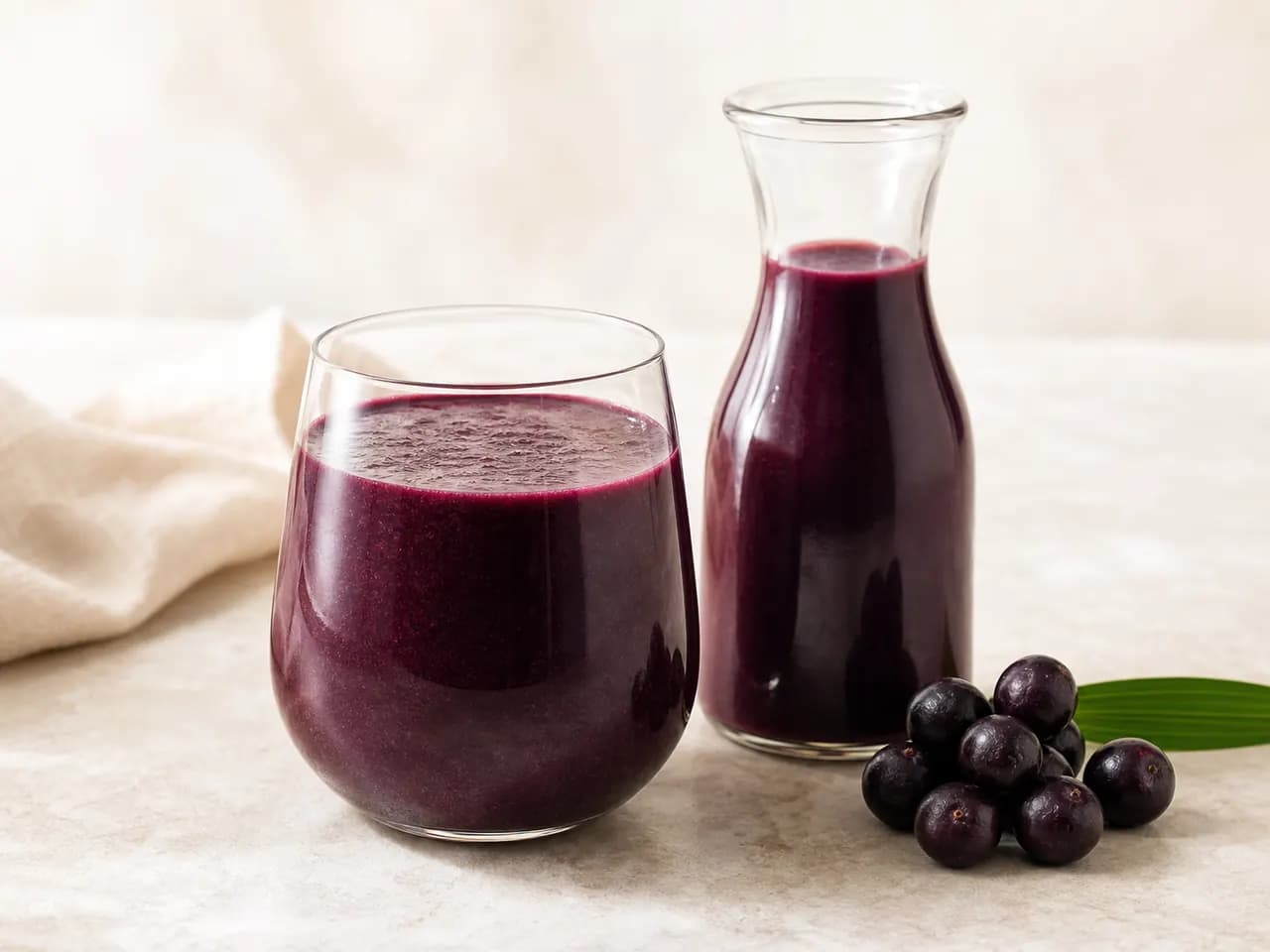
Nutrifena Corn Maltodextrin19.40 oz (550g)
Nutrifena Dehydrated Açaí Powder 50%7.05 oz (200g)
Sugar7.05 oz (200g)
Nutrifena Citric Acid0.88 oz (25g)
Natural berry flavor0.71 oz (20g)
Nutrifena Xanthan Gum0.18 oz (5g)
Pre-blend the xanthan gum, citric acid and flavor into part of the maltodextrin. Combine with the remaining ingredients under controlled dry blending. Establish the beverage use rate and validate dispersibility, color, pH, flavor balance, sedimentation, packaging and shelf life.
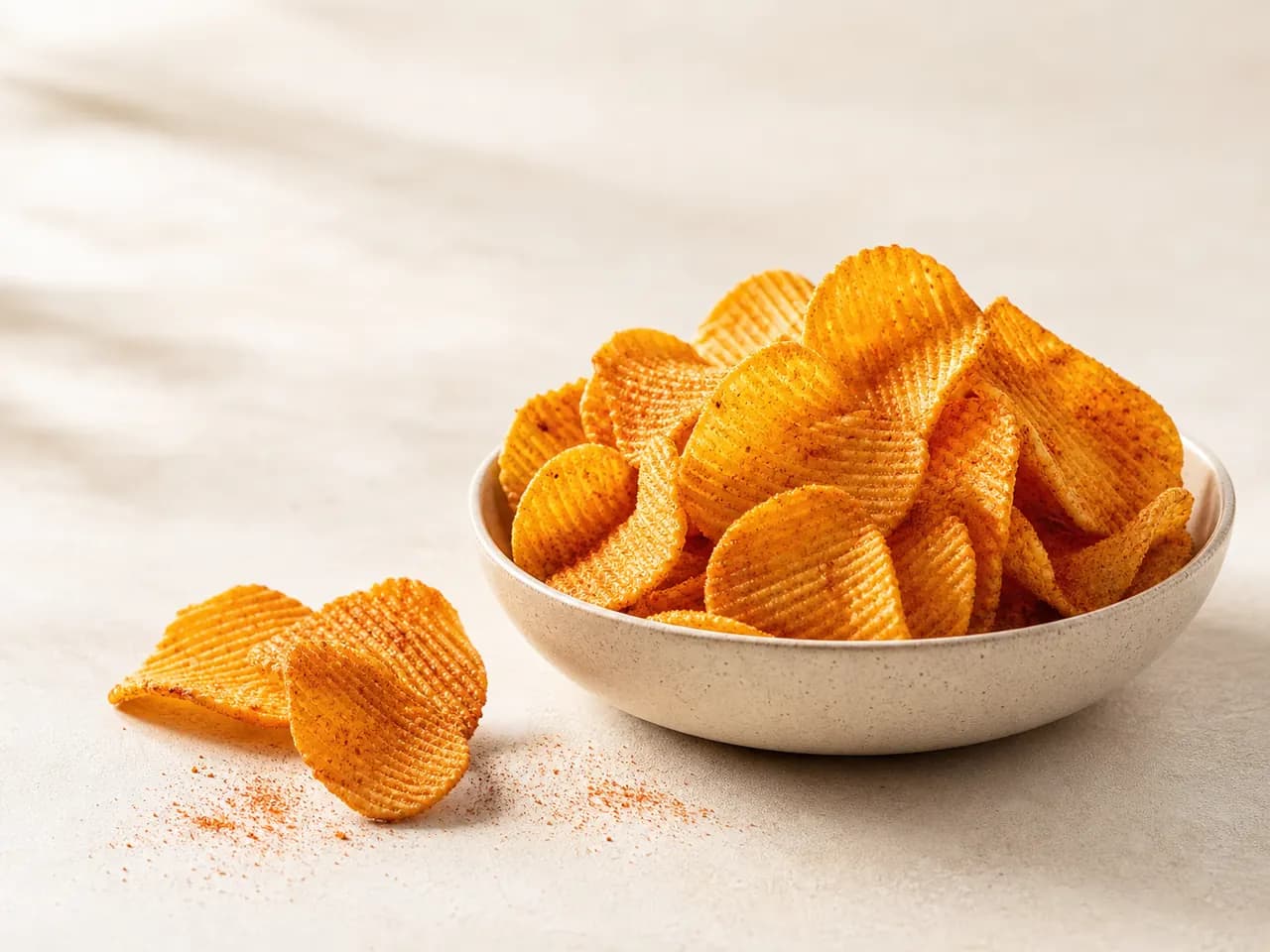
Nutrifena Corn Maltodextrin21.16 oz (600g)
Salt5.64 oz (160g)
Sugar2.82 oz (80g)
Onion powder2.12 oz (60g)
Garlic powder1.41 oz (40g)
Paprika1.06 oz (30g)
Nutrifena Tapioca Starch0.71 oz (20g)
Nutrifena Citric Acid0.35 oz (10g)
Pre-blend the citric acid and paprika with part of the maltodextrin, then add the remaining powders and blend to uniformity. Establish an application rate for the target snack substrate and validate adhesion, dusting, flavor delivery, moisture pickup, packaging and shelf life.
Yes. Nutrifena supplies documented corn maltodextrin grades for qualified B2B applications. The page displays a current commercial Offer for Manimalto 20; Manimalto 10 requires its own grade-specific commercial confirmation.
The verified product data covers Manimalto 10 with DE 9.0–12.0 and Manimalto 20 with DE 17.0–19.9. Each grade requires its own specification, lot COA and application approval.
The current public Offer is tied specifically to Manimalto 20 in a 25 kg package. It must not be applied automatically to Manimalto 10.
The verified specification records a 25 kg multiwall kraft-paper bag with an inner polyethylene layer. MOQ, price, freight and final availability should be confirmed in the quote.
DE means dextrose equivalent and indicates the extent of starch hydrolysis. Maltodextrin has a DE below 20 under the U.S. definition. DE helps characterize a grade but does not predict every physical property by itself.
Their principal documented difference is DE: 9.0–12.0 for Manimalto 10 and 17.0–19.9 for Manimalto 20. Evaluate the required viscosity, sweetness, water interaction, drying behavior and processing performance in the complete formulation.
No. These ingredients differ in molecular profile and DE. Dextrose is a simple sugar, while corn syrup solids generally have a higher DE than maltodextrin. Confirm the ingredient identity and specification before substitution.
No. Corn starch is the granular raw material before controlled hydrolysis. Maltodextrin contains shorter carbohydrate chains and has different solubility, viscosity and process behavior.
No. Resistant maltodextrin is a specialty digestion-resistant carbohydrate with a different nutritional and functional purpose. Do not infer fiber content or related claims for this conventional corn maltodextrin.
Its powder form, relatively low sweetness and solids contribution can help distribute concentrated ingredients and build dry systems. Performance depends on DE, bulk density, particle size and the complete formulation.
Many food-grade maltodextrins disperse and dissolve readily, but temperature, agitation, order of addition, solids level and grade affect performance. Bench testing is necessary for the intended process.
The verified process uses enzymatic conversion of corn starch followed by purification and drying. The manufacturing guide on this page explains the representative sequence without replacing supplier process documentation.
The verified data records pH 4.5–5.5, moisture no more than 5.0%, ash no more than 0.5%, SO₂ no more than 25 ppm and total protein no more than 0.5%.
The documented shelf life is 24 months when the original package is kept closed in a clean, dry and ventilated place protected from sunlight, moisture, pests and strong odors.
These documented grades are produced from corn starch. Buyers should use the approved source, GMO, allergen and gluten documentation for the selected grade and intended market.
The verified specifications state that both grades are produced from genetically modified corn and report transgenic presence below 1% in the finished product. Use the current product-specific statement for purchasing and labeling review.
Both verified specifications state gluten-free and no allergens under the cited Brazilian regulation. Buyers must obtain current product-specific documents and evaluate the finished product and target-market requirements.
Yes. Powdered drinks and isotonic beverages are documented applications. Select the DE, addition rate and process through testing for wetting, dissolution, flavor, sediment, nutrition and packaging stability.
Maltodextrin is commonly evaluated as a carrier or wall material, but performance depends on DE, concentration, feed viscosity, emulsifier, core material and dryer conditions. Validate retention and powder stability for the actual system.
No. They are 1 kg R&D starting points. Manufacturers must validate grade selection, process, serving size, nutrition, allergens, sensory performance, packaging and shelf life before production.
Provide the application, selected grade or DE range, annual volume, destination, 25 kg package requirement, documentation needs and target delivery schedule.
Yes. Include the application, desired DE range, package size, quantity and destination so the team can identify the relevant SKU and available documents.
Technical definition note: The FDA identifies maltodextrin under 21 CFR 184.1444 and lists multiple technical effects for food use. Review the FDA food-substance inventory and 21 CFR 184.1444 alongside the approved Nutrifena SKU specification and lot documents before setting purchasing or formulation requirements.
Contact us to discuss specifications, availability and suitability for your application.