Citric Acid
Citric acid is an acidulant used to adjust pH, balance flavour and support product formulation across many categories.
Contact us to discuss specifications, availability and suitability for your application.
 NOURISHING WHAT MATTERS
Wholesale citric acid for beverages, confectionery, bakery fillings, dry mixes, sauces and food manufacturers. Current packaging and minimum orders are shown in the pricing section.
$16.10 per kg
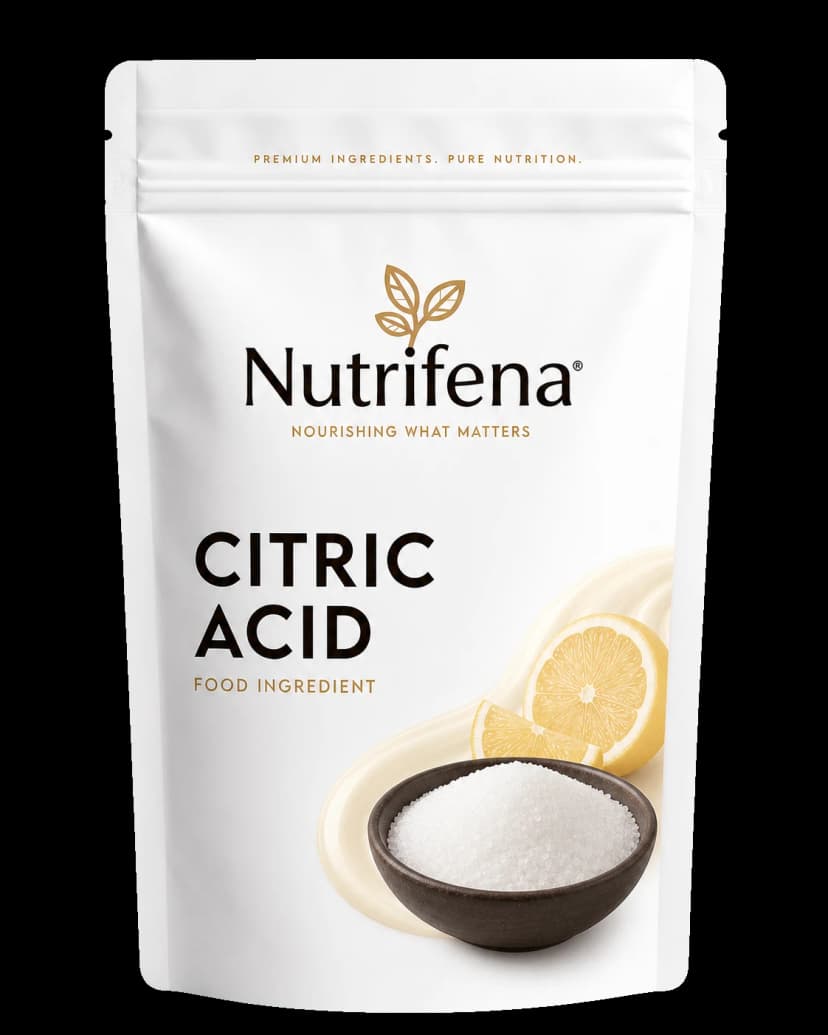
Citric acid is an acidulant used to adjust pH, balance flavour and support product formulation across many categories.
Contact us to discuss specifications, availability and suitability for your application.
The documented anhydrous grade is fermentation-derived citric acid in crystal form, specified at 99.5% minimum purity on a dry basis.
Documented grade: Anhydrous citric acid
Process: Fermentation using sucrose or dextrose as substrate
Appearance: Crystals with characteristic taste and odor
Available particle profiles: Granular and fine granular
Purity, dry basis: ≥99.5%
Moisture: ≤0.5%
Ash: ≤0.05%
Heavy metals / arsenic / lead: <5.0 / <1.0 / <0.5 mg/kg
Oxalate and sulfate: Pass USP/FCC tests
Commercial package: 25 kg multiwall paper bag with polyethylene film
Shelf life: 5 years
Storage: Hygroscopic: keep the original package closed under low-temperature, low-humidity conditions to prevent caking
Powdered drinks, soft drinks and juices
Candies and confectionery
Wine, oils and fats
Pharmaceutical and cosmetic formulations
The technical specification records negative declarations for the listed allergen categories.
The documented values apply to the anhydrous grade and should not be generalized to citric-acid monohydrate.
Revision: 00
Effective date: March 17, 2023
Confirm granular or fine-granular profile, current specification and lot COA when ordering.
Citric acid is a food acid used in manufacturing as an acidulant, pH-control agent, flavoring aid and sequestrant. Commercial food-grade citric acid is commonly produced by fermentation of carbohydrate media, then recovered, purified and crystallized into a white, odorless solid. It is not the same ingredient as ascorbic acid, which is Vitamin C.
Food developers can work with anhydrous or monohydrate citric acid, as well as different crystal or particle sizes. The forms have different molecular weights and moisture content, which can affect dosing calculations, handling and dry-blend behavior. Final acidity depends on the complete formulation, buffering capacity, solids, process and target pH, so the exact Nutrifena grade and approved specification should be confirmed before scale-up.
Citric acid provides precise sourness and acidity control, but the final sensory and technical result must be validated in the complete formulation.
Helps formulators move a product toward the required acidity range while balancing the buffering capacity of the full system.
Builds a bright acid profile in beverages, confectionery, fruit preparations, sauces and dry mixes.
Can bind certain metal ions and support formulation performance where sequestration is relevant to the finished product.
Supports repeatable pH and titratable-acidity development when dosing and process controls are validated.
Provides a concentrated acid profile for beverage, confectionery, fruit and sauce systems.
Dissolves readily in water and can be incorporated into liquid or dry manufacturing processes.
Blends with sugar, maltodextrin, starch, xanthan gum, botanical powders and high-intensity sweeteners.
Available in anhydrous or other specified forms depending on the approved SKU and supplier documentation.
Available to B2B buyers in packaged and quoted commercial quantities. The current minimum order is shown in the pricing section.
Each example is a 2.2 lb (1kg) pilot formulation created for commercial product development. These are starting points, not finished product specifications; validate processing, stability, sensory performance, nutrition, allergens and regulatory compliance before production.
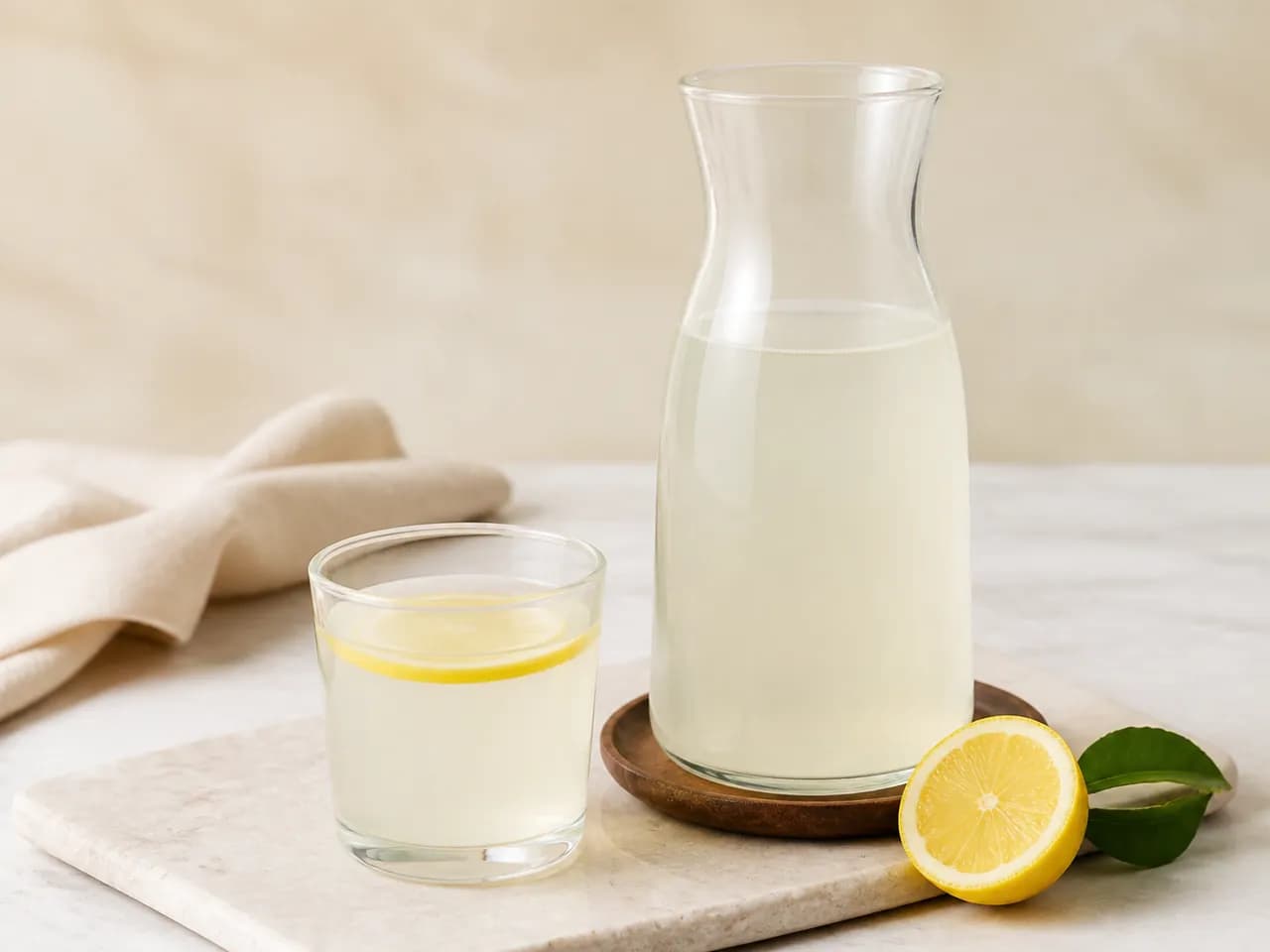
Sugar27.51 oz (780g)
Nutrifena Corn Maltodextrin5.11 oz (145g)
Nutrifena Citric Acid1.76 oz (50g)
Natural lemon flavor0.53 oz (15g)
Nutrifena Ascorbic Acid — Vitamin C0.35 oz (10g)
Blend all powders until uniform. Determine the required serving addition rate and dissolve into water under suitable agitation. Validate pH, titratable acidity, sweetness, flavor balance, clarity, vitamin retention and storage stability before production.
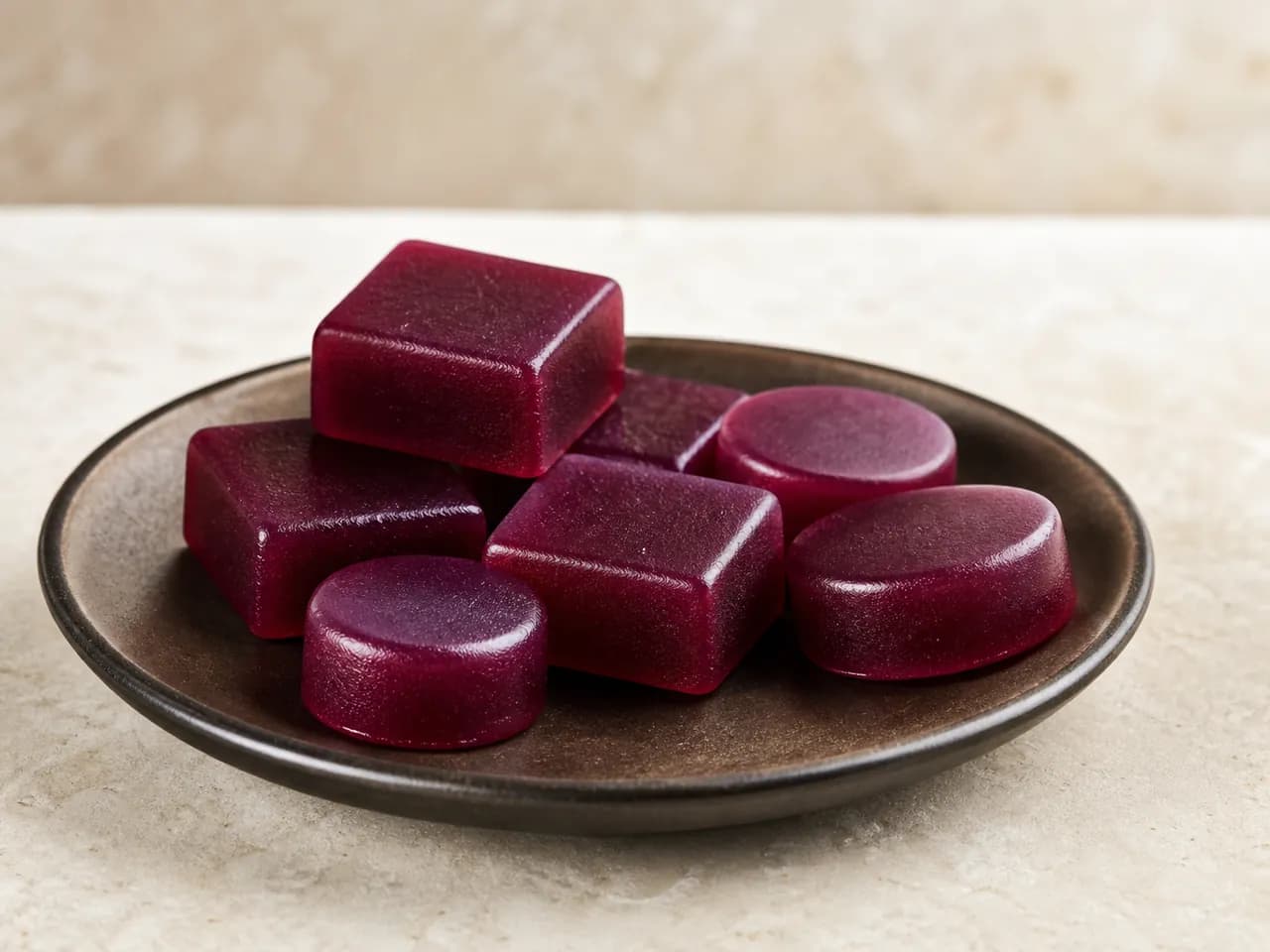
Sugar17.64 oz (500g)
Glucose syrup solids8.82 oz (250g)
Gelatin5.29 oz (150g)
Nutrifena Corn Maltodextrin1.76 oz (50g)
Nutrifena Citric Acid1.06 oz (30g)
Nutrifena Dehydrated Açaí Powder 50%0.71 oz (20g)
Pre-blend the citric acid and açaí powder with part of the sugar and maltodextrin. Develop the required water addition, gelatin bloom, cook sequence and acid-addition point for the target process. Validate final solids, pH, set, texture, flavor, water activity and shelf life.
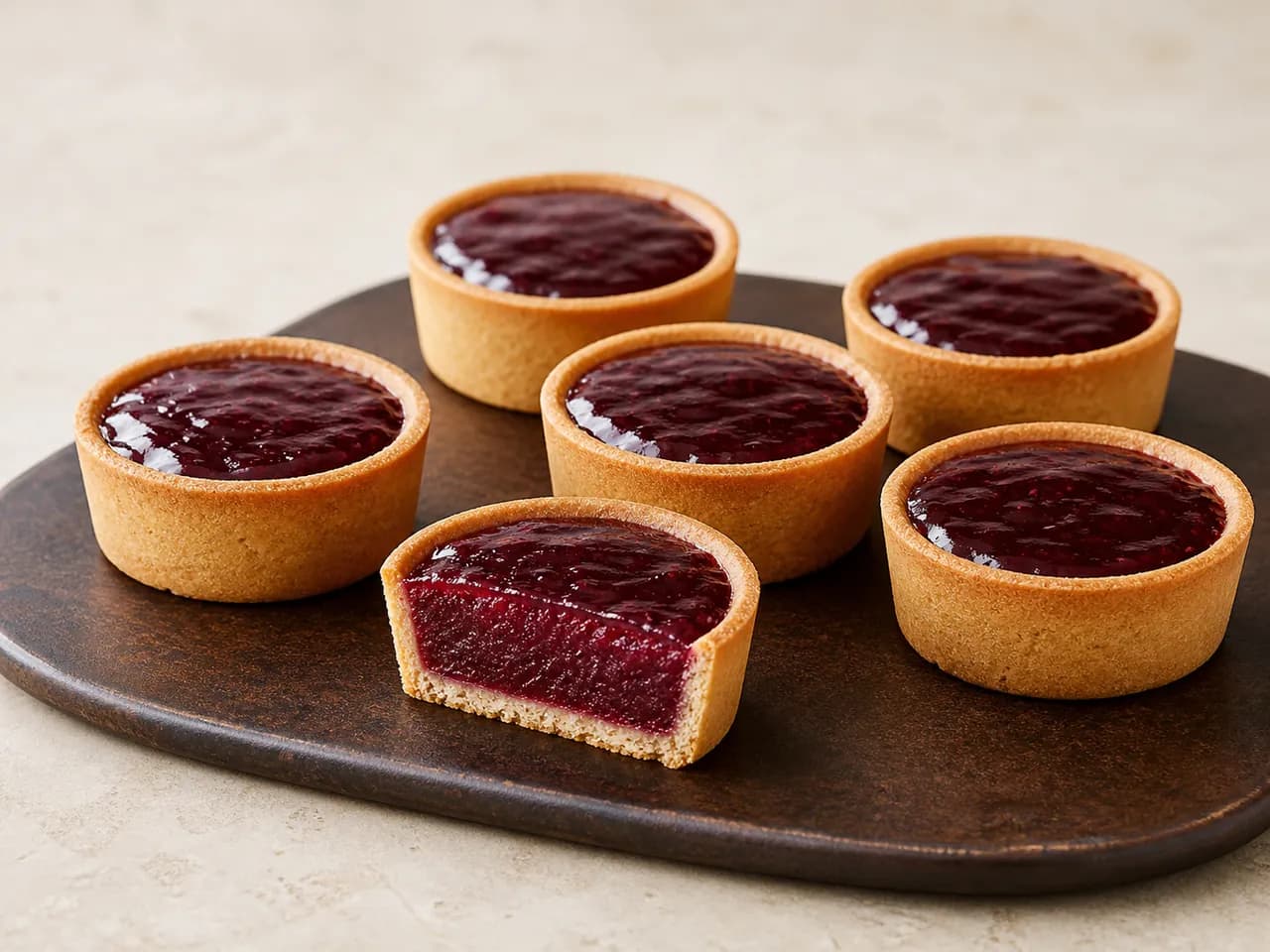
Sugar24.69 oz (700g)
Nutrifena Tapioca Starch7.05 oz (200g)
Nutrifena Corn Maltodextrin2.47 oz (70g)
Nutrifena Citric Acid0.53 oz (15g)
Nutrifena Dehydrated Açaí Powder 50%0.35 oz (10g)
Nutrifena Xanthan Gum0.18 oz (5g)
Pre-blend the citric acid and xanthan gum into the sugar and maltodextrin before adding the tapioca starch and açaí powder. Develop the dry-base addition rate with the target fruit and water phase. Validate cook temperature, final solids, acidity, hot-fill behavior, bake stability and storage performance.
Yes. The current minimum order is shown in the pricing section. Availability, packaging, freight and lead time are confirmed in the quote.
Anhydrous citric acid contains no water of crystallization, while the monohydrate form includes one water molecule in its crystal structure. Confirm the supplied form because molecular weight, moisture and dosing calculations differ.
No. Citric acid is primarily used as an acidulant and pH-control ingredient. Ascorbic acid is Vitamin C. They may appear together in a formulation, but they are not interchangeable.
Citric acid can help adjust acidity, but it does not by itself establish a safe or stable preservation process. The manufacturer must validate pH, water activity, thermal process, packaging, hygiene and the complete preservation system.
Specify the application, required form, crystal size, target pH, process, quantity and destination. Nutrifena can then identify the relevant available SKU and documentation.
Yes. Include the required package size, application, process, quantity and destination in your enquiry so the team can identify the relevant SKU and available documentation.
Regulatory and specification note: The FDA lists citric acid under 21 CFR 184.1033 and identifies technical effects including pH control and sequestration. Review the FDA Substances Added to Food inventory and the FAO/WHO JECFA citric acid specification alongside the approved Nutrifena SKU specification before setting use levels, claims or purchasing requirements.
Contact us to discuss specifications, availability and suitability for your application.