Tapioca Starch
Tapioca starch is a neutral-tasting carbohydrate ingredient used to support thickening, binding and texture in food formulations.
Contact us to discuss specifications, availability and suitability for your application.
 NOURISHING WHAT MATTERS
Nutrifena is a tapioca starch supplier for bakeries, gluten-free products, dry mixes, sauces, fillings, coatings and food manufacturers. Current 25 kg pricing and minimum orders are shown below.
$4.79 per kg
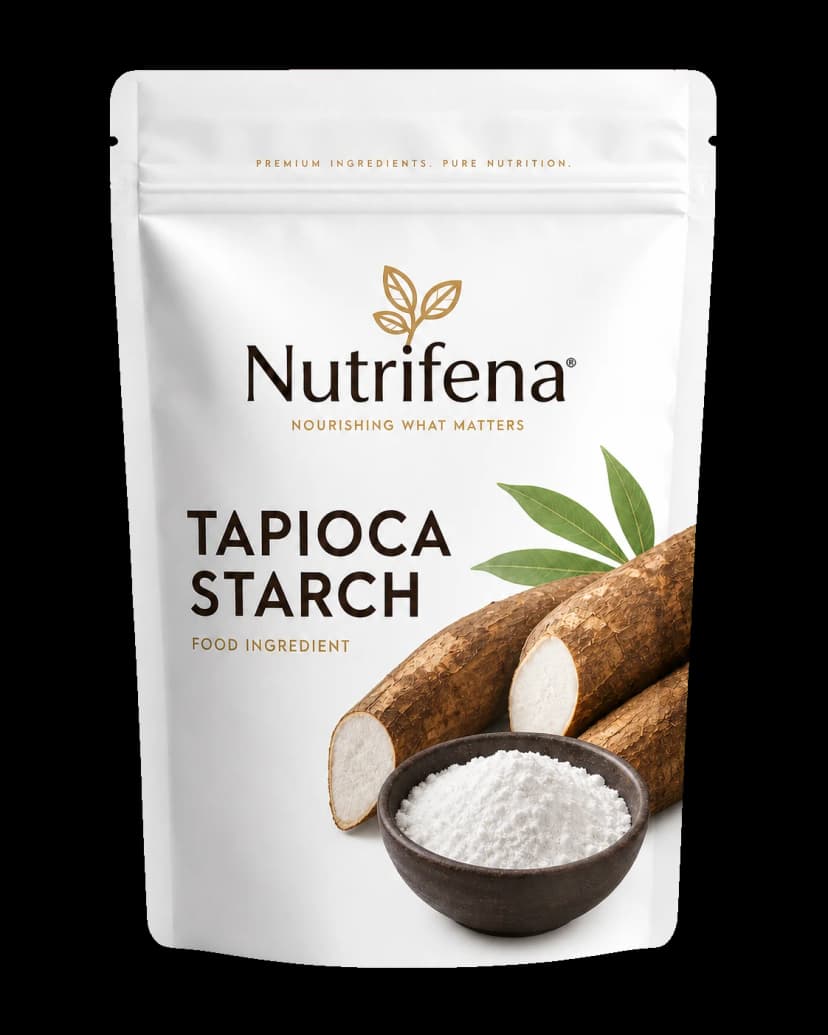
Tapioca starch is a neutral-tasting carbohydrate ingredient used to support thickening, binding and texture in food formulations.
Contact us to discuss specifications, availability and suitability for your application.
The documented C-400 grade is a fine white starch obtained from cassava roots for food-manufacturing applications.
Documented grade: C-400 tapioca starch
Origin: Cassava root
Appearance: Fine white powder with characteristic odor and taste
Composition: Cassava starch; gluten-free according to the technical sheet
Moisture: ≤14.0%
pH (33.33% solution): 4.5–6.5
Passing 0.105 mm: ≥99%
Ash: ≤0.2%
Pulp: ≤0.50 mL
Commercial package: Current priced presentation: 25 kg
Packaging: Multiwall kraft-paper bags, plastic bags or big bags
Shelf life: 36 months
Storage: Keep the original package closed on pallets in a covered, dry and ventilated place
Food manufacturing
Bakery and gluten-free formulations
Sauces, fillings and dry mixes
The technical sheet lists BRC, Kosher, Halal and Vegan certifications and a negative allergen declaration.
Certification validity and the lot-specific COA must be reconfirmed when ordering.
Revision: 20
Effective date: April 10, 2024
Values apply to the documented C-400 grade, not automatically to every tapioca-starch grade.
Tapioca starch is the refined starch separated from cassava roots, also known as manioc or yuca. During production, the roots are processed to release the starch, which is washed, separated and dried into a fine white powder. The result is different from whole cassava flour, which may retain more of the root's non-starch components.
Food developers use tapioca starch to manage texture, binding, viscosity and eating quality across bakery, sauces, fillings, coatings and dry mixes. Native and modified tapioca starches can perform very differently under heat, shear, acidity, freezing and storage, so the exact Nutrifena grade and specification should be confirmed before formulation.
Tapioca starch offers a neutral sensory profile and versatile functionality, but final performance depends on starch grade, dosage, processing conditions and the complete formulation.
Supports the target flavour and appearance of the finished product without adding a pronounced cereal taste.
Can contribute viscosity, cohesion, chew or structure depending on the application, solids level and cooking process.
A dry, measurable ingredient that can be blended with flours, hydrocolloids, carriers, sweeteners and other formulation components.
Builds viscosity in suitable cook-up sauce, filling and dessert systems.
Supports binding, chew, expansion or crispness in selected bakery, snack and coating applications.
Blends into dry premixes for repeatable weighing and production handling.
Pairs with rice flour, corn starch, xanthan gum, maltodextrin, acidulants and sweeteners.
Available to B2B buyers in packaged and quoted commercial quantities. The current minimum order is shown in the pricing section.
Navigate ingredient identity, starch behavior, boba and pearls, substitutions, nutrition context and supplier requirements.
Tapioca starch is refined cassava-root starch. Its functionality comes from the selected grade and the way starch granules respond to water, heat, shear, acidity, cooling and storage.
Cassava, manioc and yuca are common names for Manihot esculenta. Tapioca starch is produced by releasing starch from the root tissue, separating it from fiber and other root components, washing the starch fraction and drying it into a powder. The refined starch is different from whole-root cassava flour, which retains a broader portion of the root and can therefore differ in composition, color, flavor and functionality.
In a cold dry blend, native tapioca starch is present as small starch granules. When enough water and heat are available, those granules hydrate and swell, lose their ordered structure and contribute viscosity through gelatinization and pasting. The result depends on starch concentration, heating profile, water availability, pH, sugar, salts, fats, proteins, hydrocolloids and mechanical shear.
Cooling and storage continue to change a starch system. Starch molecules can reassociate in a process commonly called retrogradation, affecting gel structure, firmness, opacity, water release and freeze-thaw behavior. Cassava variety and starch composition also create measurable differences between native tapioca starch lots or sources, so a generic internet value should not replace the supplier's approved specification and application trial.
Nutrifena supplies a currently priced tapioca starch option in a 25 kg package. This page explains the ingredient family and helps manufacturers prepare an RFQ, but the commercial offer always refers to the exact Nutrifena SKU shown in the pricing section. Modified, pregelatinized, fermented and other specialty tapioca starches are separate products and should not be inferred from the generic name.
The botanical raw material from Manihot esculenta. Root variety, age, handling and processing conditions can influence starch yield and properties.
The refined starch fraction separated from cassava roots. In some markets it is also called cassava starch or tapioca flour.
A flour made from a broader portion of the root. It is not automatically interchangeable with refined tapioca starch.
Starch that has not received the modification needed to create a modified-food-starch grade. Its process tolerance remains supplier- and application-specific.
A separately documented starch altered to achieve selected technical behavior. The modification, legal status and label treatment must be confirmed.
A starch processed so it can build viscosity or structure with reduced or no cooking, depending on the exact grade and application conditions.
Industrial equipment and controls vary by manufacturer, but native tapioca starch production generally follows these stages. The approved supplier specification—not this overview—defines the purchased grade.
Fresh roots are weighed, sampled and checked against supplier criteria. Time after harvest, damage, soil and deterioration can affect processing and starch quality.
Dry cleaning, washing or both remove adhering soil, stones and plant debris before the roots enter size-reduction equipment.
The processor removes or manages outer root material according to its process and quality controls, limiting non-starch components in the extraction stream.
Mechanical size reduction breaks root cells and releases starch granules into a water-based pulp or slurry.
Screens, sieves or centrifugal equipment separate coarse root fiber from the starch-containing liquid. Separation efficiency influences purity and yield.
Additional screening, centrifugation or hydrocyclone stages remove fine fiber, soluble material and other non-starch components from the starch fraction.
The starch is washed and concentrated under controlled water and process conditions to reach the required cleanliness and solids level.
Mechanical separation removes much of the water before drying, creating a moist starch cake or concentrated starch feed.
The starch is dried to the supplier's moisture specification while controlling heat exposure, product handling and contamination risk.
Dried starch is broken up, milled or sieved as needed to achieve the specified powder condition and remove unacceptable agglomerates or foreign material.
Quality review can include identity, moisture, pH, appearance, odor, particle properties, viscosity or pasting measures, microbiological criteria and other SKU-specific requirements.
Approved starch is filled into the documented food-contact package, labeled, reviewed against batch records and released under defined storage and shelf-life conditions.
Tapioca starch does not perform independently of the formula. Water, heat and process history determine whether the starch remains granular, gelatinizes, breaks down or sets during cooling.
Gelatinization begins when starch granules are heated with sufficient available water. Granules absorb water, swell and progressively lose their ordered structure. Pasting describes the viscosity development and structural changes that continue during heating and shear. A supplier may characterize a grade with instruments such as a Rapid Visco Analyzer, but the resulting curve is not a universal use-level instruction.
Sugar and dissolved solids compete for water and can shift the heating needed for starch development. Acid can reduce viscosity when starch is exposed for sufficient time and temperature. High shear may break swollen granules and lower final viscosity. Fat, protein, salts and hydrocolloids can change hydration, texture and stability. Ingredient order and the point at which acid is added may therefore matter in production.
Native tapioca starch can support a clean or neutral flavor profile, but the exact paste clarity, elasticity, cohesiveness and set vary. It should not automatically be described as freeze-thaw stable, instant, acid-stable or shear-stable. When a formula needs those properties, compare the native option with a documented modified or pregelatinized grade designed for the process.
A successful formulation defines measurable targets: hot viscosity, final viscosity, flow under shear, gel or set after cooling, adhesion, crispness, expansion, syneresis, freeze-thaw behavior and shelf-life texture. The team should record solids, hydration, temperature-time history, mixing speed, pH and sampling temperature so pilot and plant results can be compared.
Starch needs available water to hydrate and gelatinize. Sugar, proteins, salts, fibers and other solids can change how much water is available.
The complete heating profile matters. A peak temperature without hold time, ramp rate and cooling conditions is not a reproducible starch process.
Mixing and pumping can help disperse starch but may also damage swollen granules. Test with production-relevant equipment and sequence.
Acid exposure during heating can reduce viscosity. Record pH, acid type, addition point, temperature and residence time.
Small changes in starch level can produce large texture differences. Calculate on the correct batch basis and verify weighing uniformity.
Final texture often develops after heat is removed. Define the temperature and time at which viscosity or set will be judged.
Do not infer stability from botanical source. Test water release and texture across realistic freezing, thawing and distribution cycles.
Xanthan gum and other gums can complement starch, but hydration order and total texture must be optimized as a system.
Heating rate, vessel geometry, agitation, pump shear and holding time change from lab to plant. Revalidate the selected starch at production scale.
Choose by identity and process requirement. Similar names or a shared botanical source do not make these ingredients interchangeable.
| Ingredient or grade | What it is | Key sourcing questions |
|---|---|---|
| Native tapioca starch | Refined cassava-root starch supplied without the modification used to create a modified-food-starch grade. | Source, native identity, moisture, pH, whiteness, particle properties, pasting profile, microbiology, package and application. |
| Modified tapioca starch | Tapioca starch changed through a permitted physical, enzymatic or chemical process to provide selected technical behavior. | Modification, regulatory status, label name, cook requirement, acid and shear tolerance, freeze-thaw performance and destination. |
| Pregelatinized tapioca starch | A separately processed grade designed to develop viscosity or structure with reduced or no cooking under defined conditions. | Cold-water functionality, dispersion, lump control, final viscosity, particle size, process, package and label declaration. |
| Cassava flour | Flour made from a broader portion of cassava root and retaining more non-starch components than refined tapioca starch. | Root process, starch percentage, fiber, flavor, color, particle size, microbiology, cyanogenic-compound controls and intended use. |
| Sour or fermented cassava starch | Cassava starch that has undergone a documented fermentation and often drying process to create specific properties in traditional or specialty applications. | Fermentation, acidity, expansion behavior, microbiology, sensory profile, regulatory identity and process consistency. |
| Tapioca maltodextrin | A hydrolyzed starch-derived carbohydrate with a different dextrose-equivalent range and carrier or bulking function. | Botanical source, DE, solubility, bulk density, carrier performance, sweetness, moisture and label name. |
| Corn starch | A refined cereal starch with its own amylose, gelatinization, paste, flavor and process characteristics. | Native or modified grade, waxy or conventional source, viscosity, gel behavior, allergen/GMO documentation and substitution trial. |
| Potato starch | A tuber starch with different granule, swelling and paste behavior from tapioca starch. | Viscosity, granule properties, flavor, phosphate contribution, process tolerance, package and finished-texture target. |
| Arrowroot starch or flour | A market term applied to starches or flours from particular tropical rhizomes and sometimes used inconsistently in retail. | Exact botanical source, refined starch versus flour, composition, functionality, label name and supplier traceability. |
The examples below describe formulation roles, not guaranteed performance for every grade. Validate the exact SKU in the complete product and process.
Tapioca starch can support expansion, chew and crumb structure but does not replace the complete flour, protein, hydrocolloid, emulsifier, water and process system.
Evaluate spread, aeration, set, crispness, color and moisture with the selected flour blend, fat, sugar and leavening process.
Define cook temperature, hot viscosity, shear, hold time, pH and cooled texture. A native grade may not suit severe acid or retort conditions.
Coordinate starch with fruit solids, sugar, acid, cook and hot-fill conditions. Validate set, syneresis and stability in the final package.
Tapioca starch may support adhesion, crispness, expansion and appearance. Test pickup, oil absorption, hold time, freezing and reheating.
Moisture, starch blend, screw conditions, temperature and die design influence expansion, density, texture and breakage.
Starch can contribute binding, translucency and chew, but dough formation, cooking loss and texture depend on the complete process.
Protein, fat, minerals, homogenization, heat and refrigeration affect viscosity and stability. Select the grade for the actual process.
Control segregation, dust, flow, dosing and end-user preparation. Native starch still needs sufficient cooking unless the exact grade is pregelatinized.
Pearl production uses a dough and forming process rather than simply adding dry starch to a beverage. Starch grade, water, other ingredients, particle size, cooking and holding determine chew, color and service life.
Small or quick-cooking pearls can create a distinct texture in dairy or plant-based pudding. Validate pearl hydration, cook, sweetness, protein interactions, refrigeration and microbiological shelf life.
The beverage and the tapioca balls are separate product systems. Pearl cooking, syrup holding, serving time and package or food-service controls must be developed alongside the tea, flavor and sweetener system.
High-volume searches often use tapioca for the starch, a pearl, a pudding or a prepared Brazilian food. These are related through cassava, but they are not the same commercial product.
In ingredient sourcing, tapioca commonly means refined starch extracted from cassava root. In food names, it can also refer to pearls, pudding, flatbreads and other preparations made with cassava starch.
The source is Manihot esculenta, also called cassava, manioc or yuca. The harvested tuberous root is processed to separate the starch used in tapioca ingredients.
Pearls are formed products made primarily from a tapioca-starch dough. A commercial pearl may also contain water, sugar, color, flavor, preservatives or other ingredients according to its formula and market.
Boba commonly refers to chewy tapioca pearls served in bubble tea. The terms overlap in consumer use, although popping boba and other inclusions can use completely different structures and ingredients.
Black color does not identify one formula. Commercial black pearls may use a color or other ingredients, so manufacturers and consumers should check the exact ingredient statement instead of assuming the source of the color.
Pearl size affects hydration, cooking time and final texture. Small pearls used in pudding are not equivalent to every large boba pearl or to dry tapioca starch powder.
These descriptions generally indicate a pearl, granule or starch preparation designed for faster hydration or cooking. They are not universal technical grades; follow the exact product instructions.
True sago starch comes from sago palm, while tapioca comes from cassava. Retail pearls can look similar and market terminology can blur the distinction, so botanical source and ingredient identity should be confirmed.
A basic pearl begins with a hydrated tapioca-starch dough, but commercial production requires controlled starch selection, dough temperature, forming, cooking and holding. The steps below are a development framework, not a finished commercial specification.
Set diameter, color, flavor, sweetness, chew, cook time, service temperature and target holding period before selecting ingredients or equipment.
Evaluate native tapioca starch alone or with documented specialty starches according to dough handling, expansion, resilience and holding needs.
Combine starch with a controlled hot liquid system so enough starch gelatinizes to bind the remaining powder. Record water temperature, ratio, mixing time and dough temperature.
Develop a smooth dough, sheet or extrude it, then cut and round or otherwise form consistent pieces. Size variation changes cooking and texture.
Use an appropriate dusting system and handling sequence to reduce sticking without creating excessive surface powder or cook-water solids.
Boil or otherwise cook under a validated time-temperature profile, then complete any covered rest or hydration stage required by the formula.
Define rinsing, syrup, temperature and holding limits. Texture changes continuously after cooking, so service life must be measured rather than assumed.
Commercial refrigerated, frozen, ambient or shelf-stable pearls need process authority, packaging, microbiological controls and finished-product validation appropriate to the system.
Color can come from caramel, brown sugar, permitted color or another formula-specific ingredient. The appearance alone does not disclose composition.
Smaller pieces hydrate and cook differently from large bubble-tea boba and are commonly evaluated for pudding or dessert applications.
Minute tapioca, instant tapioca and quick-cook products are supplier-defined formats. Follow their exact instructions instead of treating the terms as a native-starch specification.
True sago comes from a palm source while tapioca comes from cassava. Similar appearance does not make the botanical ingredients identical.
There is no universal replacement ratio. The right alternative depends on whether tapioca is thickening a liquid, building a gluten-free structure, creating chew, coating a product or forming a pearl.
| Possible alternative | Where it may be evaluated | Why validation is required |
|---|---|---|
| Cornstarch | Sauces, gravies, fillings and selected bakery systems. | Corn and tapioca starch differ in gelatinization, paste clarity, gel character, flavor release and stability. The same weight can produce a different texture. |
| Potato starch | Gluten-free bakery, coatings, noodles and thickened foods. | Potato starch can have different swelling, viscosity and granule behavior. Water, temperature and shear may need to change. |
| Arrowroot starch or flour | Selected sauces, puddings and gluten-free formulations. | Products sold as arrowroot vary by botanical source and refinement. Confirm identity, composition and cook behavior before substitution. |
| Rice or other flour | Flour blends, bakery and bread systems. | A flour brings more than isolated starch and can change protein, fiber, flavor, water absorption, crumb and nutrition. It is not a direct thickener swap. |
| Cassava flour | Grain-free or gluten-free baked products and traditional preparations. | Cassava flour contains a broader portion of the root. It is not automatically interchangeable with refined tapioca flour or starch. |
| Modified starch | Acidic, retorted, frozen or high-shear applications requiring documented process tolerance. | Choose by exact modification, regulatory identity and performance rather than treating modified starch as a generic stronger substitute. |
A starch ingredient, a cooked pearl and a finished pudding have different composition. Nutrition and dietary claims must be based on the exact product and serving.
Cassava is not wheat, barley or rye, and tapioca starch is widely used in gluten-free systems. A U.S. gluten-free claim still requires the finished food to meet FDA requirements and the manufacturer to control every ingredient and cross-contact source.
That question cannot be answered from the ingredient name alone. Refined tapioca starch is primarily carbohydrate; serving size, added sugar, total formula and individual dietary needs determine the context of a finished food.
Bubble tea calories come from the complete serving: tea or milk base, sweetener, syrup, creamer, pearls and portion size. Dry tapioca-starch data cannot be used as the nutrition value for a prepared drink.
Tapioca syrup is a starch-hydrolysate sweetener made from tapioca-derived carbohydrate. It is a different liquid ingredient from native tapioca starch and requires its own solids, sugar, composition and label specification.
This is a hydrolyzed tapioca-starch ingredient used for carrier, bulking or other grade-specific functions. Botanical source does not make it equivalent to native starch or Nutrifena’s documented corn maltodextrin.
Products marketed as tapioca fiber may be resistant dextrin, soluble fiber syrup or another supplier-defined ingredient. Fiber content and claims require the exact identity, analytical basis and destination-market review.
Raw cassava-root questions should not be transferred directly to a released food-grade starch. FAO describes the need for appropriate cassava processing to reduce cyanogenic compounds; a commercial starch buyer should still review the exact specification, process controls and contaminant criteria for the supplied SKU.
A reliable tapioca starch supplier connects the commercial offer to one approved product identity, manufacturing source, specification and lot-documentation system.
Confirm native, modified, pregelatinized, fermented or another grade. The generic phrase tapioca starch is not a complete specification.
Review identity, moisture, pH, appearance, particle properties, pasting or viscosity measures, microbiological limits, storage and shelf life.
Define which results appear on each COA and how they correspond to the approved methods and acceptance limits.
Identify the actual manufacturing plant, country of origin, cassava source where required and change-control expectations.
Request the supplier's applicable food-safety, traceability, contaminant and microbiological-control documentation for the intended use.
Obtain current statements and evaluate cross-contact. Cassava source alone does not authorize a gluten-free claim for the finished product.
Non-GMO, organic, kosher, halal and other claims require current product-specific evidence. Do not infer them from the crop or country.
Confirm 25 kg net weight for the current offer, liner and outer bag, food-contact suitability, pallet configuration and warehouse handling.
Compare price per package and per kilogram together with MOQ, freight, duties, taxes, lead time and validity. Nutrifena displays these terms in the pricing section.
Qualify the same commercial grade and manufacturer intended for supply, then evaluate it in a controlled formulation and production-relevant process.
Review forecast, lead time, inventory approach, minimum order, alternate-source policy and notice requirements before scale-up.
Provide application, native or specialty grade, process, annual volume, destination, package and documentation requirements to receive a relevant quote.
Nutrifena's offer on this page is food-grade tapioca starch for commercial formulation. It is not a finished boba pearl, pudding mix, café drink or retail quick-cooking tapioca. Buyers seeking starch can request current package, minimum-order, pricing and documentation details through the RFQ.
Searches for tapioca near me, tapioca pearl near me and where to buy tapioca balls often refer to prepared drinks, restaurant menus or retail pearl packages. Nutrifena does not claim a local storefront or same-day inventory; availability and delivery are confirmed in the commercial quotation.
Names such as Teapioca Lounge, The Teahouse Tapioca & Tea, Happy Tapioca, Tapioca Express, Teatery Tea and Tapioca, Tapioca Heaven Cafe, Gossip Tapioca and Saigon Tapioca are navigational searches for other businesses or concepts. Nutrifena is not affiliated with them. Compare the exact ingredient list, package, cook instructions and intended use of any consumer product.
A search such as tapioca pearls NYT may refer to editorial or recipe content from a publication. Nutrifena is not affiliated with The New York Times and does not reproduce third-party recipes; the technical material here is original and focused on ingredient selection and product development.
Native, modified, pregelatinized, fermented or finished-pearl identity
Application, process, pH, shear, temperature and texture target
Package size, minimum order, annual volume and destination
Country of origin and manufacturing facility
Specification, lot COA, allergen statement and regulatory documents
Gluten-free, Organic, Non-GMO or other claims only with exact-SKU evidence
Sample qualification using the intended commercial source
Each phrase links to the section that answers its underlying intent. Similar wording remains visible and measurable without duplicating the same explanation.
Definitions, language variants and botanical-origin searches mapped to the ingredient identity and processing guide.
tapioca · what is a tapioca · tapioca is what · tapioca starch · what's tapioca · que es tapioca · tapioca que es · que es la tapioca · tapioca root · tapioca roots · tapioca plant · tapioca powder · where does tapioca originate from · tapioca brazil · tapioca source · tapioca tuber · tapioca tubers
Pearl identity, formulation, cooking and buying searches mapped to the detailed pearl and boba guide.
tapioca pearl · tapioca balls in bubble tea · tapioca pearl boba · tapioca pearls for boba tea · how to make pearl tapioca · boba and tapioca · bubble tea tapioca balls · tapioca boba · tapioca pearl for bubble tea · tapioca starch for boba · tapioca pearl near me · tapioca pearls near me · how to cook pearl tapioca · recipe for pearl tapioca · tapioca ball recipe · what is tapioca pearls · tapioca balls where to buy · what is a tapioca ball · buy tapioca pearl · what are tapioca balls made of · what tapioca balls made of · black tapioca pearl · wholesale tapioca pearls
Substitution searches mapped to the identity and functionality tables; no alternative is presented as universally one-for-one.
alternatives to tapioca flour · tapioca flour substitute · tapioca substitute · replacement for tapioca starch · tapioca starch substitute · alternative for tapioca starch · is tapioca flour the same as tapioca starch · is tapioca starch the same as tapioca flour · tapioca starch vs flour · tapioca flour vs corn starch · tapioca flour vs cornstarch · tapioca flour vs starch
Cooking and finished-food searches mapped to preparation guidance while distinguishing dry starch from pearls and prepared dishes.
tapioca pearls for tapioca pudding · what's tapioca pudding · acai com tapioca · recipe tapioca · recipes of tapioca · minute tapioca · tapioca small pearls · tapioca flour recipes · tapioca instant · instant tapioca · quick cook tapioca · tapioca quick cooking · tapioca drink · tapioca pearl sago · tapioca pearls sago
Nutrition and label questions mapped to exact-product guidance rather than category-wide health promises.
tapioca gluten free · is tapioca gluten free · tapioca is gluten free · is tapioca starch gluten free · tapioca is it good for you · is tapioca good for u · tapioca tea calories · tapioca syrup · tapioca maltodextrin · maltodextrin tapioca · tapioca fiber · what is in tapioca flour
Restaurant, publication and local-intent searches receive neutral context without implying affiliation, local Nutrifena inventory or a physical storefront.
teapioca lounge near me · the teahouse tapioca and tea · happy tapioca · tapioca near me · petit beignets and tapioca · tapioca heaven cafe · tapioca express near me · the teahouse tapioca & tea near me · cafe tapioca · happy tapioca mean · teapioca lounge menu · teatery tea and tapioca · gossip tapioca · tapioca pearls nyt · saigon tapioca
Manihot esculenta, the root crop also called manioc or yuca from which tapioca starch is extracted.
The refined starch fraction separated from cassava root tissue and dried into powder.
A broader root-derived flour that retains more non-starch material than refined tapioca starch.
The heat-and-water-driven loss of ordered starch-granule structure as granules hydrate and swell.
The viscosity and structural changes that continue as a gelatinizing starch system is heated and sheared.
Reassociation of starch molecules during cooling or storage, which can change firmness, opacity and water release.
The release or separation of water from a gel or thickened system during storage or environmental cycling.
Starch not processed with the modification used to create a modified-food-starch grade.
Starch processed to develop viscosity or structure with reduced or no cooking under defined conditions.
A consumer term commonly used for chewy tapioca pearls served in bubble tea, though not every beverage inclusion is tapioca-based.
Starch traditionally obtained from sago palm; visually similar pearls may be confused with cassava-based tapioca.
Tapioca commonly means refined starch extracted from cassava root. The same word is also used for pearls, pudding and other foods made with that starch, so the intended product must be identified.
Tapioca starch comes from the tuberous roots of Manihot esculenta, commonly called cassava, manioc or yuca. Roots are cleaned and rasped, then the starch is separated, washed and dried.
They are shaped products made primarily from a tapioca-starch dough. Their size, color, additional ingredients, cooking method and intended use vary.
Traditional tapioca balls are based primarily on tapioca starch and water, but commercial boba can also contain sugar, color, flavor, preservatives or other ingredients. Check the exact specification or label.
Boba commonly refers to chewy tapioca pearls used in bubble tea. Not every beverage inclusion is tapioca: popping boba and other pearls can use different ingredients and structures.
Tapioca starch can be evaluated as the primary starch in a pearl-development project, but the current Nutrifena offer is dry starch, not finished pearls. The manufacturer must develop and validate dough formation, shaping, cooking, holding and shelf life.
It is a cooked dessert in which tapioca pearls or a quick-cooking tapioca preparation create characteristic texture in a sweetened dairy or plant-based base.
It is a supplier-defined pearl, granule or starch preparation intended to hydrate or cook faster than a conventional product. It is not a universal synonym for native tapioca starch.
Possible trial alternatives include cornstarch, potato starch, arrowroot or another flour blend, depending on the function. None is a universal one-for-one replacement; water, process and texture must be revalidated.
Both can supply starch, but their botanical source, gelatinization, swelling, paste clarity, gel texture and process response differ. Compare them in the complete formula at a measured dose.
Tapioca starch is primarily carbohydrate and is not a complete food by itself. Evaluate the exact serving, preparation, added ingredients, nutrition information and individual dietary context.
No botanically. Tapioca comes from cassava, while true sago comes from sago palm. Finished pearls can look similar, so confirm the ingredient source.
The public offer on this page is tapioca starch in a 25 kg package, not finished tapioca pearls. Buyers can request starch documentation and commercial terms for their own food-manufacturing project.
Technical background on cassava production and post-harvest processing, including cassava-starch extraction and handling.
Food-processing context explaining why cassava roots require appropriate processing and how cassava foods and starch products differ.
Current U.S. regulation describing permitted food-starch modification treatments, limitations and the food starch-modified container name.
Official U.S. explanation of the gluten-free labeling rule, including manufacturer responsibility and the less-than-20-ppm criterion.
Open primary research evaluating amylose and pasting behavior across starches from 281 cassava genotypes.
Open primary research comparing chemical composition, swelling, solubility, water binding, pasting and related properties of cassava starch and blends.
Each example is a 2.2 lb (1kg) dry pilot formulation created for commercial product development. These are starting points, not finished product specifications; validate processing, stability, sensory performance, nutrition, allergens and regulatory compliance before production.
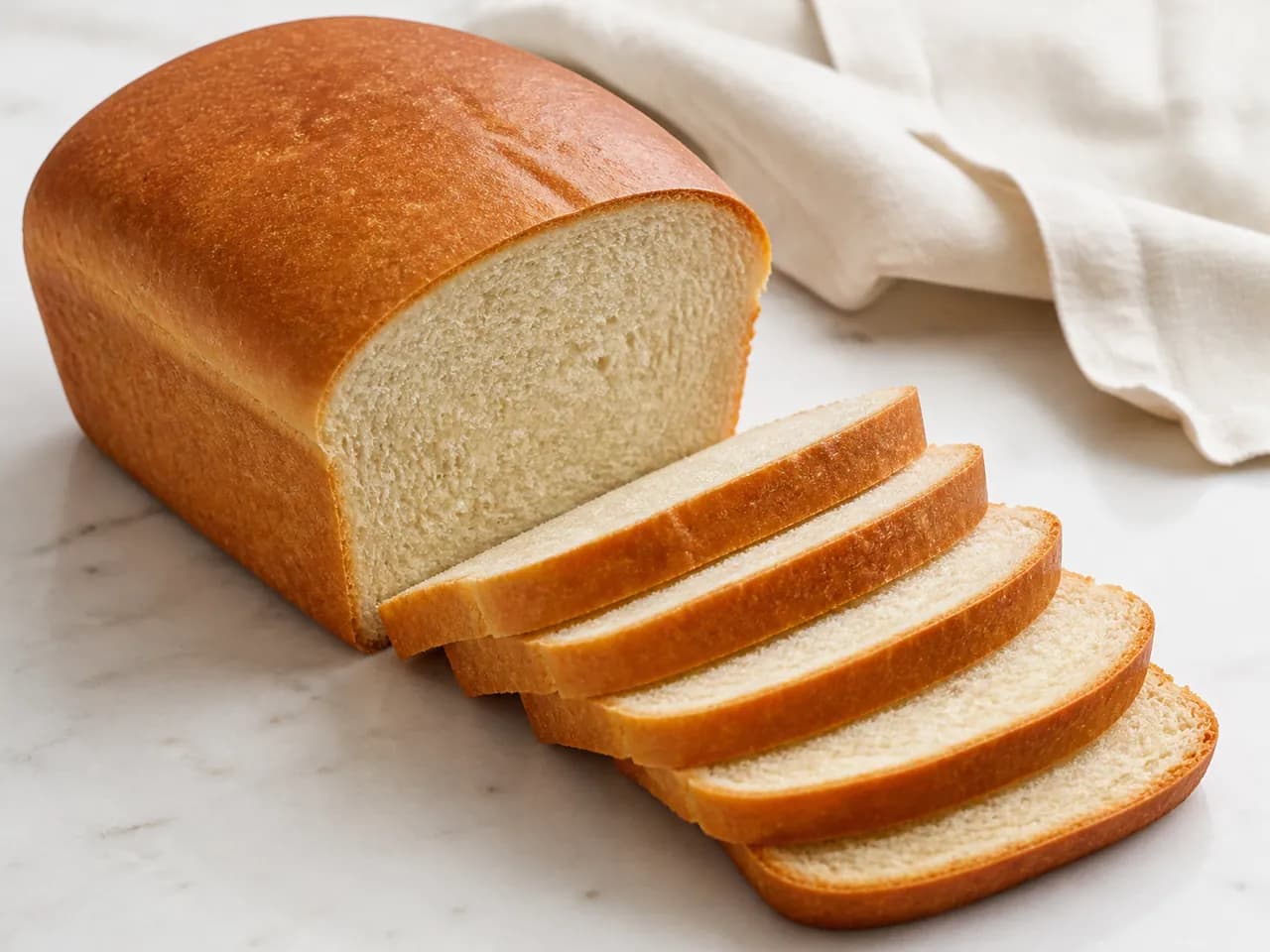
Rice flour14.82 oz (420g)
Nutrifena Tapioca Starch10.58 oz (300g)
Corn starch7.05 oz (200g)
Sugar1.41 oz (40g)
Salt0.71 oz (20g)
Nutrifena Xanthan Gum0.42 oz (12g)
Instant yeast0.28 oz (8g)
Blend the dry ingredients until uniform. Develop the required water, oil and egg or alternative binder addition for the target process. Confirm mixing, proofing, loaf volume, crumb resilience, slicing and shelf-life performance before scale-up.
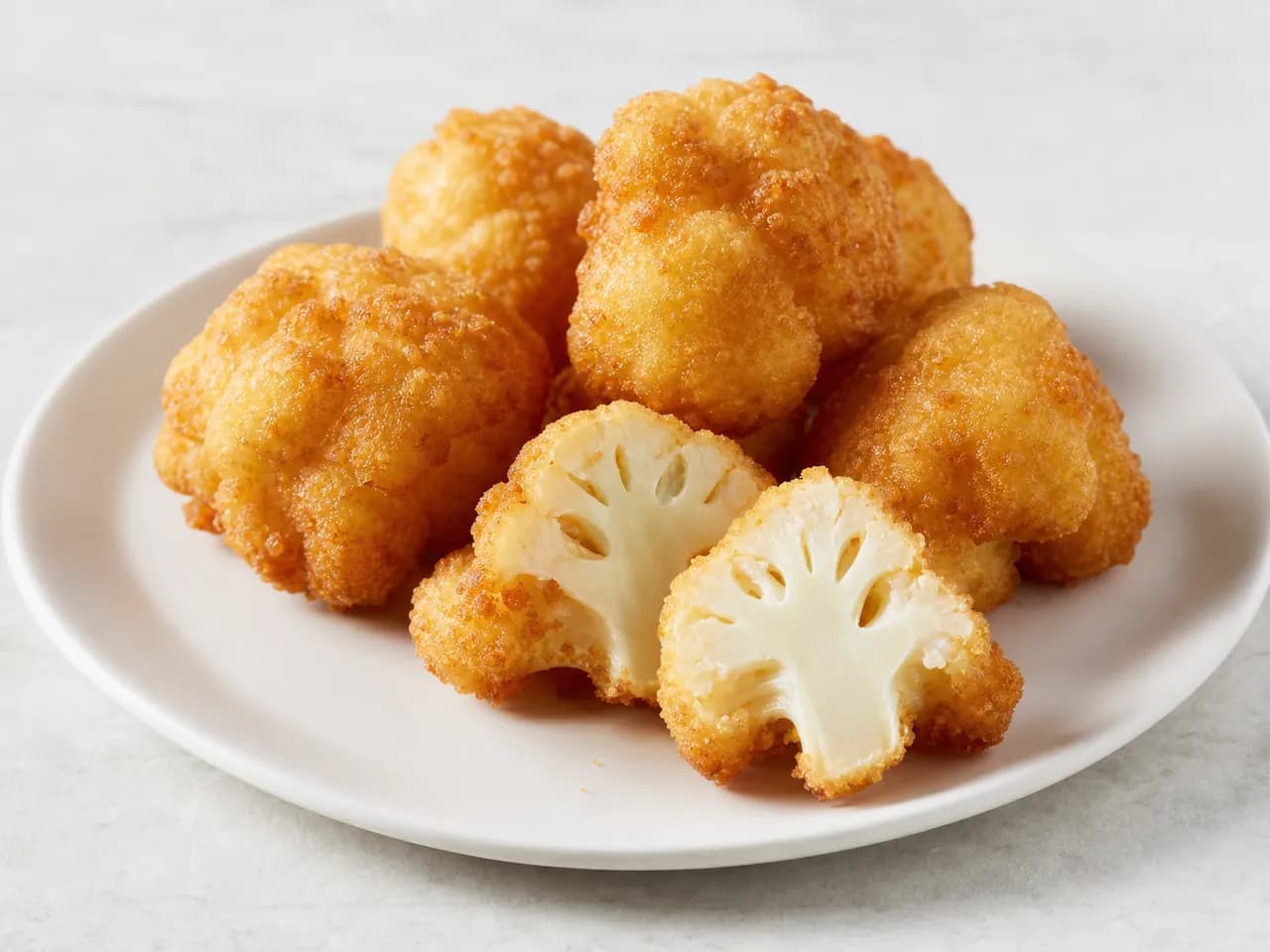
Rice flour14.82 oz (420g)
Nutrifena Tapioca Starch9.88 oz (280g)
Corn flour5.29 oz (150g)
Nutrifena Corn Maltodextrin3.17 oz (90g)
Salt1.06 oz (30g)
Seasoning blend0.88 oz (25g)
Nutrifena Xanthan Gum0.18 oz (5g)
Blend all dry ingredients thoroughly. Develop a batter or predust system around the target substrate and cooking method. Validate pickup, adhesion, crispness, colour, oil uptake, hold time and reheating performance in the complete process.
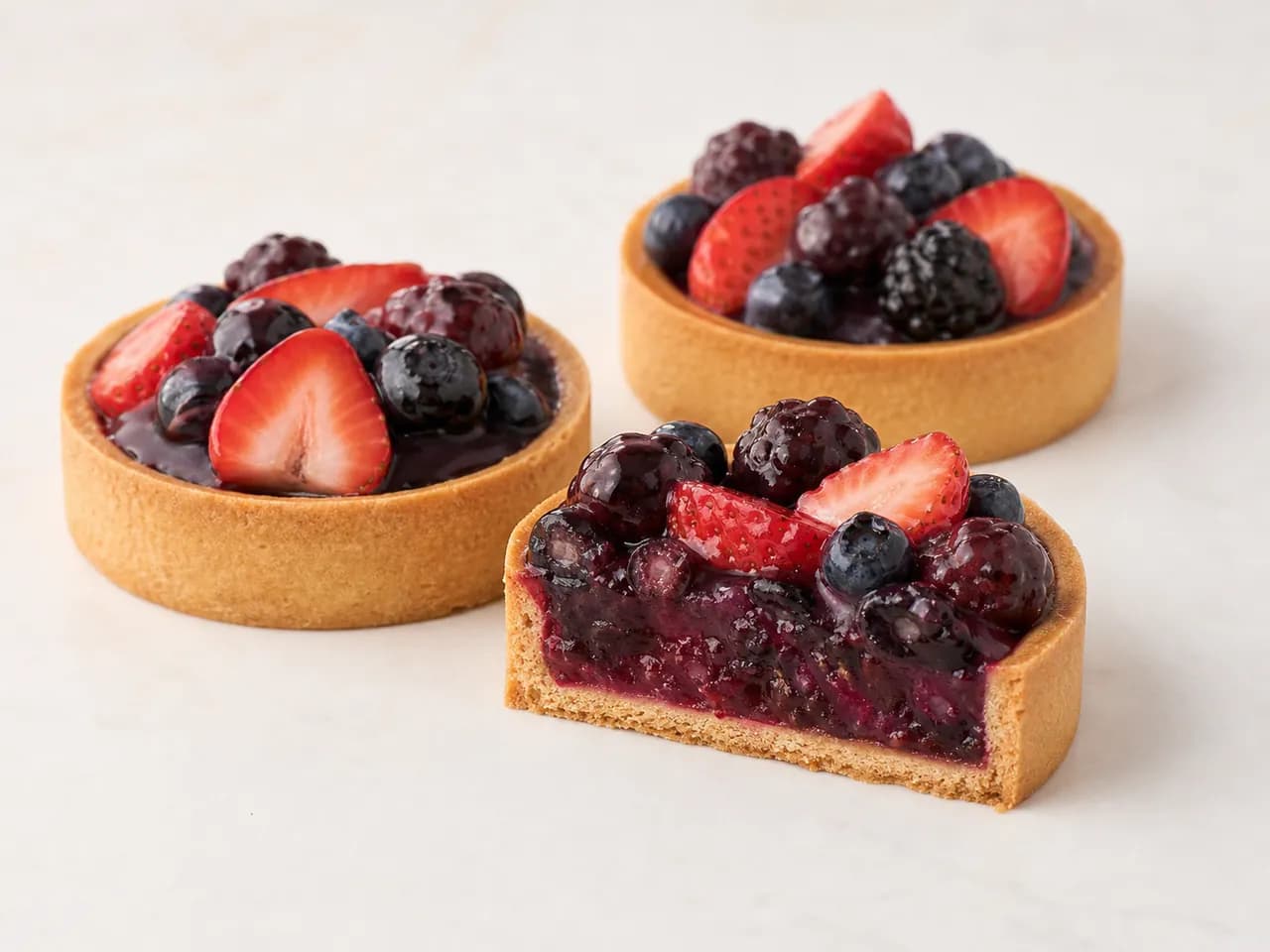
Sugar20.11 oz (570g)
Nutrifena Tapioca Starch9.17 oz (260g)
Nutrifena Corn Maltodextrin5.29 oz (150g)
Nutrifena Citric Acid0.35 oz (10g)
Nutrifena Xanthan Gum0.18 oz (5g)
Salt0.18 oz (5g)
Pre-blend the citric acid and xanthan gum into the sugar and maltodextrin before adding the tapioca starch. Develop the dry-base addition rate with the target fruit preparation and water phase. Validate cook temperature, final solids, acidity, hot-fill behavior, set and storage stability.
Yes. The current minimum order is shown in the pricing section. Availability, packaging, freight and lead time are confirmed in the quote.
The current public offer is for a 25 kg package with a minimum order of one 25 kg bag. Price, freight, duties, taxes, availability and lead time remain subject to the quotation terms shown on the page.
Yes. Nutrifena supplies the priced tapioca starch SKU shown on this page and supports B2B requests for bakery, gluten-free products, sauces, fillings, coatings, snacks and dry mixes.
Confirm exact native or specialty grade, manufacturer, origin, approved specification, lot COA, food-safety and allergen documentation, package, MOQ, price basis, lead time, change control and application performance.
Tapioca starch is the refined starch fraction separated from cassava roots, also called manioc or yuca. It is washed, concentrated and dried into a powder for further food formulation.
Cassava roots are received, cleaned, prepared and rasped to release starch. Fiber and soluble material are separated, the starch slurry is refined and washed, then dewatered, dried, milled, tested and packed. Exact industrial controls vary by supplier.
The terms are often used interchangeably in retail, but cassava flour may refer to a less refined whole-root ingredient. Confirm the ingredient statement, composition and specification rather than relying on the name alone.
They commonly refer to the refined starch extracted from cassava roots. However, regional naming can vary, so commercial buyers should still confirm botanical source, refined-starch identity and the full specification.
The approved Nutrifena specification must confirm the supplied grade. Native and modified starches can respond differently to heat, shear, acidity, freezing and storage.
It is tapioca starch changed through a permitted physical, enzymatic or chemical process to provide selected functionality. Modification, legal status, label name and process performance must be confirmed for the exact grade.
It is a separately processed grade designed to build viscosity or structure with reduced or no cooking under specified conditions. It should not be inferred from a generic tapioca starch name.
Native tapioca starch normally disperses as granules rather than fully dissolving and generally requires sufficient water and heat to gelatinize. A pregelatinized grade can behave differently.
With sufficient water and heat, starch granules hydrate, swell and lose their ordered structure, increasing viscosity through gelatinization and pasting. Formula solids, pH, shear and cooling change the result.
Performance depends on pH, acid type, temperature, exposure time, shear and the exact grade. Native starch viscosity can decrease under demanding acidic heat processes, so application trials are required.
Do not assume so. Freeze-thaw behavior depends on the exact starch, formula, solids, process, package and cycling conditions. A documented modified grade may be preferable when stability is critical.
Tapioca starch is widely used in gluten-free formulation systems. Any finished product carrying a gluten-free claim must meet applicable FDA requirements and the manufacturer must control ingredients and cross-contact.
It can be part of a gluten-free flour system, but it does not replace wheat flour functionality by itself. Bread development normally also coordinates other flours or starches, proteins, hydrocolloids, emulsifiers, water and process conditions.
Yes, when the selected grade fits the process. Validate hydration, cook temperature, hot and cooled viscosity, pH, shear, filling conditions, syneresis and shelf-life stability.
Provide the application, required native or specialty grade, process temperature and pH, functional targets, package, annual volume, delivery destination and required specification, COA and certification documents.
Yes. Include the required package size, application, process, quantity and destination in your enquiry so the team can identify the relevant SKU and available documentation.
Compliance note: Tapioca starch may be used in gluten-free formulation systems, but that does not by itself qualify a finished product for a gluten-free label. Review the FDA gluten-free labeling requirements and verify the approved ingredient specification, allergen statement and cross-contact controls before making the claim.
Contact us to discuss specifications, availability and suitability for your application.